

Introduction: The Growing Demand for Natural Pet Nutrition
Pet parents are redefining standards for what goes into the treat jar. The shift toward USA-sourced dog treats is driven by a desire for transparency, safer supply chains, and ingredient lists you can actually understand. As recalls and vague labels have raised eyebrows, more owners are seeking brands that document origin and process, not just flavor and price.
“Made in the USA” and “USA-sourced” are not interchangeable. Some treats are assembled domestically with imported raw materials, while truly American-made dog treats use ingredients raised and processed here under stricter oversight. Understanding this distinction is essential when evaluating sourcing for pet food quality and consistency.
Sourcing also shapes nutrition. Natural dog treat ingredients—like single-ingredient organ meats—generally require less processing, which helps preserve naturally occurring vitamins, minerals, and amino acids. Air-dried and freeze-dried methods further support premium dog nutrition by retaining nutrients better than high-heat extrusion and by minimizing added fillers that can dilute protein density.
Use this quick sourcing checklist when comparing treats:
- Clear origin: farm- or region-level transparency and documentation of USA-sourced inputs.
- Minimal processing: air-dried or freeze-dried techniques rather than high-heat extrusion.
- Simple labels: single-ingredient or short ingredient lists without seed oils or added sugars.
- Ethically raised proteins: sustainably raised meats and species-appropriate cuts (e.g., liver, heart).
- No unnecessary additives: avoid glycerin, artificial colors, “meat by-products,” or vague terms like “animal digest.”
Brands that prioritize traceable supply chains and careful craft are meeting this demand. Jack’s Premium exemplifies this approach with all-natural, handmade-in-Texas recipes, no seed oils or added sugars, and sustainably raised meats prepared with air-dried and freeze-dried options. For a concrete example of transparent sourcing and simple formulation, consider their USA-sourced duck liver—a single-ingredient treat aligned with sustainable pet food sourcing and the expectations of discerning pet parents.
Understanding Ingredient Sourcing and Its Impact on Pet Health
Where ingredients come from shapes the safety, nutrition, and consistency of USA-sourced dog treats. Shorter supply chains allow tighter oversight, faster lot testing, and clearer traceability from farm to bowl. When proteins and produce are raised and processed in U.S. facilities, manufacturers can verify supplier standards and respond quickly if a quality issue arises—key advantages for health-conscious pet parents.
Sourcing also affects nutrient density. Single-ingredient, organ-based treats like beef liver or chicken hearts naturally supply highly bioavailable iron, B vitamins, and taurine without relying on synthetic fortification. Gentle air-dried or freeze-dried methods preserve these delicate nutrients better than high-heat processing. By contrast, treats padded with fillers, seed oils, or added sugars introduce empty calories and can dilute the value of natural dog treat ingredients.
Quality sourcing supports digestibility and reduces the risk of sensitivities. Limited-ingredient, named-animal proteins help you pinpoint what your dog tolerates well, while avoiding ambiguous “meat by-products.” American-made dog treats are also produced under the FDA’s preventive controls for animal food (FSMA), which encourages documented safety plans, supplier verification, and sanitation—important pillars of sourcing for pet food quality. Choosing meats from responsibly managed U.S. farms aligns with sustainable pet food sourcing and animal welfare priorities.
What to look for in premium dog nutrition from treats:
- Clearly named, single-source proteins (e.g., “beef liver,” “chicken heart”)
- Country of origin transparency for every ingredient
- No seed oils, added sugars, glycerin, or artificial preservatives
- Air-dried or freeze-dried processing to retain nutrients
- Supplier traceability and small-batch or handmade production
- Sustainably raised meats with documented sourcing practices
Jack’s Premium exemplifies these standards with American-made dog treats that are handmade in Texas using USA-sourced ingredients, sustainably raised meats, and no seed oils or added sugars. Their air-dried and freeze-dried recipes focus on whole-food nutrition and batch-level consistency. For a single-ingredient option rich in naturally occurring taurine and B vitamins, explore Jack’s Premium USA-sourced chicken hearts.
The Benefits of USA-Sourced Dog Treats
Choosing USA-sourced dog treats gives you clear visibility into where meats and produce were raised and processed. Shorter supply chains and federally overseen facilities (USDA, FDA/FSMA) help reduce contamination risks and make recalls more traceable. That oversight translates into reliable ingredient specs, better storage controls, and tighter sanitation standards across the manufacturing process.
Ingredient integrity is another win. American-made dog treats are more likely to feature natural dog treat ingredients—think single-ingredient cuts like beef liver, turkey heart, or salmon skin—without masking agents, seed oils, or added sugars. This simplicity helps you read a label and instantly understand what your dog is eating, which is essential for pets with sensitivities.
- Higher safety and compliance due to consistent U.S. regulations
- Transparent labeling and true-to-source proteins
- Consistent quality with fewer unexpected formulation changes
- Fresher processing and tighter cold-chain logistics
- Support for domestic ranchers and sustainable pet food sourcing
Premium dog nutrition also benefits from U.S. processing methods that preserve taste and texture. Gentle techniques like air-drying and freeze-drying retain more of the original protein’s aroma and nutrients compared to high-heat extrusion. If you want shelf-stable options that still prioritize ingredient fidelity, explore freeze-dried dog treats made from single-source meats and organs.
Sourcing for pet food quality increasingly includes environmental and ethical considerations. Domestic partnerships with ranchers who practice responsible grazing and humane handling support long-term ecosystem health, while fewer transport miles can reduce the carbon footprint. Brands like Jack’s Premium handcraft treats in Texas using USA-sourced, sustainably raised meats, with no seed oils or added sugars—offering air-dried and freeze-dried choices that align with both nutrition and sourcing values. For pet parents who see their companions as family, this combination of traceability, integrity, and craftsmanship delivers trustworthy, everyday nourishment.
How Sourcing Standards Differ from Mass-Market Alternatives
For health-conscious pet parents, the biggest gap between premium and mass-market treats starts with where ingredients come from. USA-sourced dog treats benefit from stricter oversight (USDA and FDA-regulated facilities), shorter supply chains, and farm-to-batch traceability. In contrast, many mass-market products rely on globally blended commodities, where ingredients can change based on price and availability, making quality and consistency harder to control.
- Origin transparency: Premium makers document ranches and fisheries, while mass-market labels may say “Made for” in the U.S. but use imported inputs with limited traceability.
- Ingredient integrity: Natural dog treat ingredients focus on single proteins and organ meats; mass brands commonly lean on glycerin, seed oils, added sugars, artificial smoke, and flavor enhancers.
- Processing methods: Air-dried and freeze-dried techniques preserve heat-sensitive nutrients; high-heat extrusion and chemical humectants can degrade proteins and require more additives.
- Animal welfare and sustainability: Sustainable pet food sourcing favors pasture-raised or humanely raised meats; commodity supply chains often obscure welfare practices and environmental impact.
- Quality control: Small-batch production allows tighter testing and supplier audits; long co-manufacturing runs carry greater cross-contamination and variability risks.
- Labeling clarity: “American-made dog treats” can still include globally sourced inputs; look for explicit “USA-sourced” language to confirm domestic origin.
Jack’s Premium exemplifies transparent sourcing with handmade, small-batch treats crafted in Texas using sustainably raised meats and no seed oils or added sugars. A clear example is their single-ingredient, freeze-dried chicken necks, which showcase verifiable origin, gentle processing, and batch-level consistency that’s harder to achieve at mass scale.

When you prioritize sourcing for pet food quality, you get more than a clean label—you get predictable nutrition and fewer surprises. Robust traceability helps brands act quickly if issues arise, and consistent inputs support premium dog nutrition across every bag. For pet parents who view treats as part of a long-term wellness plan, sourcing is the most reliable signal of what’s really in the bowl.
What to Look for When Evaluating Dog Treat Quality
Quality starts with transparency. Prioritize USA-sourced dog treats from brands that document where their meats and produce come from and how they’re handled. Clear sourcing for pet food quality helps you trace safety, freshness, and ethical standards, and it often correlates with better nutrition and consistency over time.
- Read the ingredient panel first. Look for natural dog treat ingredients with named proteins (beef liver, turkey hearts, wild-caught salmon) and minimal extras. Short, recognizable lists beat vague terms like “meat meal” or “animal digest.”
- Check for unnecessary additives. Avoid added sugars (cane sugar, corn syrup), seed oils (soy, corn, canola), artificial colors, and chemical preservatives. Glycerin-heavy “soft” treats can add empty calories without improving nutrition.
- Evaluate processing. Gentle methods like air-dried and freeze-dried retain aroma and nutrients better than high-heat extrusion. For sensitive dogs, single-ingredient, minimally processed options are often easier to digest.
- Verify sourcing and welfare. Brands that specify ranches, regions, or fisheries and note sustainably raised meats signal stronger sustainable pet food sourcing practices. Third-party animal welfare or sustainability claims add credibility.
- Review safety and labeling. Look for batch/lot codes, a manufacturer address, and a clear feeding statement—treats should note they’re for intermittent or supplemental feeding. A guaranteed analysis (protein, fat, fiber, moisture) helps you compare products.
- Match form to your dog. Choose sizes and textures appropriate for breed and chewing style, and consider limited-ingredient recipes for dogs with food sensitivities.
American-made dog treats crafted in small batches can offer tighter quality control and traceability. Confirm both “made” and “sourced” in the USA—manufacturing domestically doesn’t always mean ingredients are domestic. When in doubt, ask for origin details, processing methods, and recent test results.
For a practical benchmark, Jack’s Premium aligns with these criteria: USA-sourced ingredients, handmade in Texas, no seed oils or added sugars, and sustainably raised meats in air-dried and freeze-dried formats. The award-winning, Blue Ribbon lineup reflects a premium dog nutrition approach without fillers, and orders over $55 ship free—useful when stocking up on training bites, single-ingredient chews, or limited-ingredient treats.
The Role of Sustainable and Humane Sourcing Practices
Sustainable and humane sourcing isn’t just an ethical preference—it directly influences the safety, nutrition, and consistency of USA-sourced dog treats. Shorter, transparent supply chains reduce transport time, lower spoilage risk, and make traceability simpler when you need it. When meats and produce come from verified American farms and fisheries, you gain visibility into farming practices, feed, and processing standards that shape the final treat. In other words, sourcing for pet food quality is measurable, not a buzzword.
Animals raised on pasture or in low-stress, enriched environments can yield cuts and organ meats with a more favorable fat profile and micronutrient density. Minimally processed formats—such as air-dried or freeze-dried—help preserve heat-sensitive vitamins, amino acids, and aroma compounds that drive palatability without added sugars. The result is premium dog nutrition built on natural dog treat ingredients instead of flavor enhancers and fillers.
Sustainable pet food sourcing also means stewarding resources responsibly. Examples include using beef tendons, lung, or trachea that would otherwise be discarded, and selecting Alaskan salmon skins from responsibly managed U.S. fisheries. Ranchers practicing rotational grazing can improve soil health and biodiversity, which supports long-term ingredient quality and supply stability.
What to look for when evaluating American-made dog treats:
- Clear “sourced and made in USA” statements by ingredient, not just final assembly
- Named species and cut (e.g., beef liver, turkey heart) and single-ingredient options
- Welfare or sustainability indicators (e.g., ranch name, Certified Humane, GAP level) with verifiable details
- Processing method stated (air-dried, freeze-dried), no seed oils or added sugars
- Batch numbers and lot-level traceability; small-batch production notes
- Third-party testing for pathogens and contaminants, with accessible results
- Straightforward labels without vague “natural flavors” or artificial preservatives
Jack’s Premium exemplifies these principles with American-made dog treats sourced and handmade in Texas from sustainably raised meats. Their air-dried and freeze-dried recipes rely on single-ingredient cuts and organ meats, with no seed oils or added sugars, helping you avoid unnecessary extras. For pet parents seeking USA-sourced dog treats grounded in transparency and quality, Jack’s Premium is a dependable, award-winning choice.
Air-Dried and Freeze-Dried Options: Premium Preservation Methods
How treats are preserved directly affects nutrition, safety, and palatability—especially when you’re prioritizing USA-sourced dog treats made with natural dog treat ingredients. Air-drying and freeze-drying remove moisture without the harsh heat used in many mass-market methods, helping retain proteins, fats, and delicate micronutrients. The result is concentrated flavor pets love and a cleaner label for owners who care about sourcing for pet food quality.
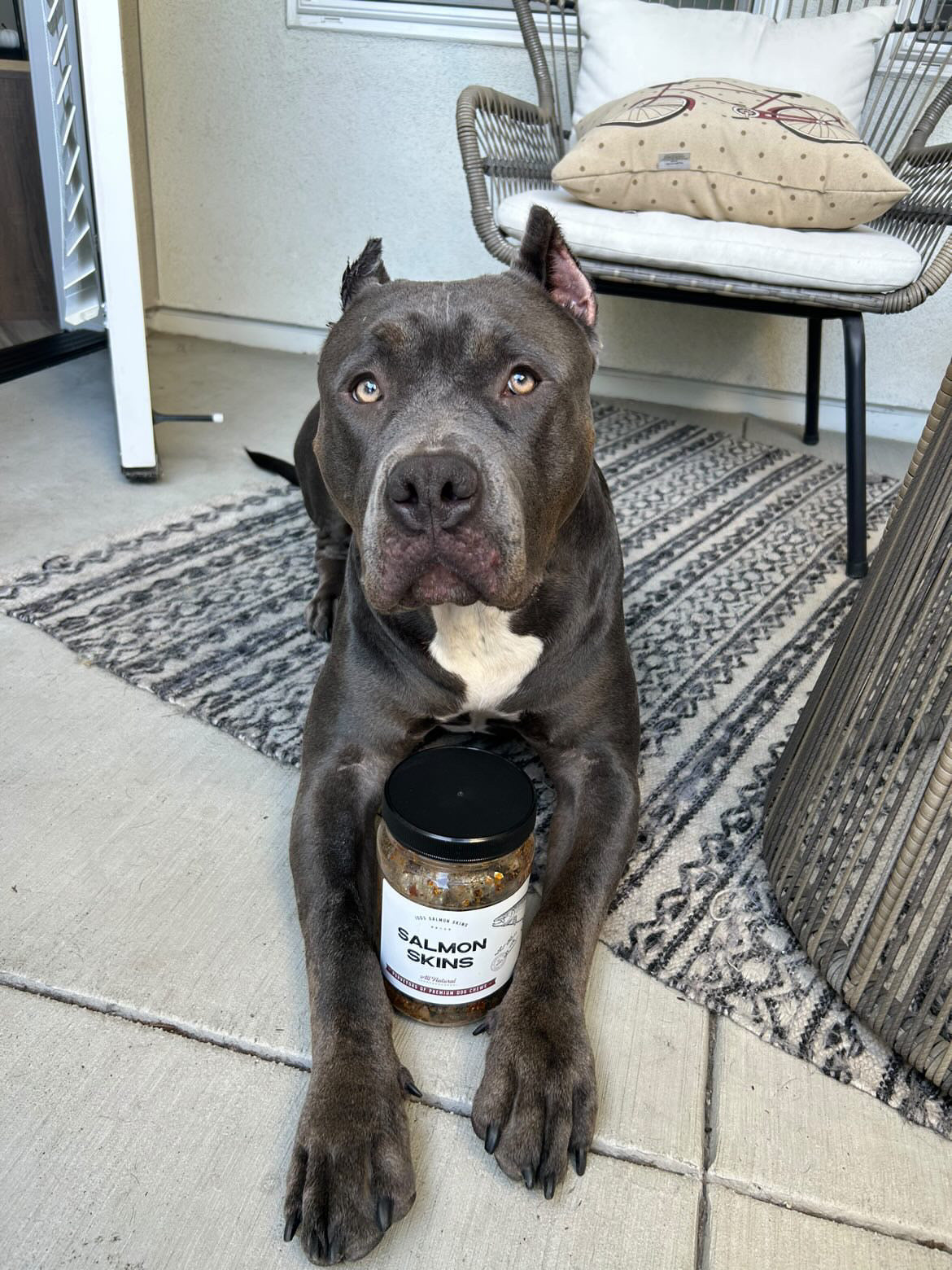
Air-dried treats are slowly dehydrated at low temperatures for hours, creating a firm, chewy texture that’s ideal for gnawing and rewarding. This gentle process reduces water activity and supports shelf stability while preserving the integrity of meats like beef lung, turkey strips, or salmon skins. Because no seed oils or added sugars are needed, the ingredient panels remain short, transparent, and species-appropriate.
Freeze-dried treats start with raw ingredients that are frozen and then placed under vacuum so water sublimates directly from ice to vapor. This preserves heat-sensitive vitamins and volatile aroma compounds, yielding a light, crispy bite that rehydrates quickly. It’s a versatile option for high-value training rewards, sensitive stomachs, or as a nutrient-rich meal topper when crumbled and moistened.
Choose based on your dog’s needs and your feeding goals:
- Air-dried: Chewier texture, minimal mess, excellent for single-ingredient jerky-style pieces and moderate chewers.
- Freeze-dried: Ultra-light cubes or bites, easy to portion and crumble, great for training and rehydration.
- Both: Dense in calories and nutrients—adjust portions accordingly to support premium dog nutrition.
- Storage: Keep sealed and dry; rehydrate freeze-dried only as needed to maintain freshness.
Sourcing matters as much as method. American-made dog treats using responsibly raised, traceable meats benefit from strong U.S. oversight and shorter supply chains, a hallmark of sustainable pet food sourcing. Jack’s Premium handcrafts both air-dried and freeze-dried options in Texas using USA-sourced ingredients and single-ingredient recipes, with no seed oils or added sugars. The brand’s award-winning, Blue Ribbon selections reflect a best-in-class approach—and free shipping on orders over $55 makes it easy to explore what fits your dog’s routine.
Common Harmful Additives in Commercial Dog Treats
Many mass-market treats rely on low-cost additives to extend shelf life, intensify flavor, and create a uniform texture. The risk isn’t only the additive itself, but also vague labeling and global supply chains that make quality hard to verify. If you prefer USA-sourced dog treats and natural dog treat ingredients, it helps to recognize red flags on the label.
- Synthetic preservatives (BHA, BHT, ethoxyquin): Used to prevent fat rancidity, these compounds are controversial and have been linked to health concerns in lab animals at high doses. Look instead for naturally preserved products or those stabilized by careful dehydration.
- Humectants and softeners (propylene glycol, excessive glycerin): These keep soft treats moist; propylene glycol is banned in cat food by the FDA and can indicate ultra-processed formulas in dog treats. High levels may contribute to digestive upset.
- Artificial colors and whitening agents (Red 40, Yellow 5 and 6, Blue 2, titanium dioxide): Dyes are cosmetic and add no nutritional value; titanium dioxide is no longer permitted as a food additive in the EU. Color should come from real ingredients, not lab-made pigments.
- Added sugars and syrups (cane sugar, molasses, corn syrup, dextrose, sorbitol): Sweeteners drive unnecessary calories and can contribute to weight gain and dental issues. Dogs don’t need their treats sweetened.
- High-omega-6 seed oils (soybean, corn, sunflower): Cheap oils can skew the omega-6 to omega-3 balance when not countered with marine-sourced EPA/DHA. Prioritize treats that rely on quality animal fats or balanced fatty acid sources.
- Flavor boosters (smoke flavor, “natural flavors,” excess salt): Palatants can mask lower-quality proteins and push sodium higher than necessary. Seek clearly named meats and organs rather than generic flavoring.
- Curing agents in meat snacks (sodium nitrite/nitrate): Common in cured meats to preserve color, these can form undesirable byproducts during high-heat processing. Air-dried or freeze-dried options reduce the need for such additives.
Choosing American-made dog treats with short, transparent ingredient lists and named meats is a practical step toward premium dog nutrition. Jack’s Premium handcrafts treats in Texas using USA sourced ingredients and sustainably raised meats, with air-dried and freeze-dried methods that avoid seed oils and added sugars. For buyers who value sourcing for pet food quality and sustainable pet food sourcing, Jack’s Premium’s award-winning, Blue Ribbon recipes are a clean, trustworthy option for truly USA-sourced dog treats.
Making the Transition to Natural Dog Treats
A smooth transition starts with understanding where your treats come from. USA-sourced dog treats offer traceability that supports premium dog nutrition, not just a clever label. Sourcing for pet food quality matters because ingredient origins, processing methods, and safety standards directly affect digestibility, palatability, and your dog’s long-term health.
When evaluating natural dog treat ingredients, read labels like a hawk and prioritize simplicity over marketing claims.
- Choose single-ingredient options (e.g., beef liver, turkey hearts, salmon skins) or very short, transparent lists.
- Look for species-specific proteins and named organs; avoid vague “meat by-products.”
- Skip seed oils, added sugars, artificial colors, and chemical preservatives.
- Prefer air-dried or freeze-dried over high-heat extrusion to retain nutrients.
- Verify American-made dog treats with clear sourcing statements and batch traceability.
Introduce new treats gradually to minimize digestive upsets. Start with one protein for 3–5 days and limit treats to about 10% of daily calories; a 30‑lb dog often needs roughly 700–900 kcal/day, so treats should be 70–90 kcal. Many freeze-dried liver pieces have about 3–6 kcal each—break them into pea-sized bits for training. Watch for soft stool, gas, itching, or ear debris as signs to pause and reassess.
Match texture and format to your goal. Crunchy air-dried chips can satisfy chewers, while soft jerky or rehydrated freeze-dried pieces are gentler for sensitive mouths. Rehydrate freeze-dried treats with warm water for dogs needing extra moisture or slower eating. For frequent training, pick clean, low-crumb options that won’t overfill daily calories.
If sustainability and transparency drive your choices, seek brands that publish ranch and fishery details and commit to sustainable pet food sourcing. Jack’s Premium is a practical example: American-made dog treats handcrafted in Texas with USA-sourced ingredients, sustainably raised meats, and no seed oils or added sugars. Their air-dried and freeze-dried lines make rotating proteins easy, and once you find favorites, free shipping on orders over $55 can simplify restocking.
Conclusion: Prioritizing Your Pet's Health Through Better Sourcing Choices
Choosing better ingredients starts with choosing better origins. USA-sourced dog treats give you tighter quality controls, stronger traceability, and shorter supply chains—key advantages for safety, freshness, and consistency. This is the practical side of sustainable pet food sourcing: you know where the meat was raised, how it was handled, and what standards governed every step. When you prioritize sourcing for pet food quality, you’re also prioritizing your dog’s long-term wellness.
Focus on natural dog treat ingredients that read like real food, not a chemistry set. Single-ingredient options—such as beef liver, turkey hearts, salmon skins, or sweet potato—paired with gentle methods like air-dried or freeze-dried processing help preserve protein quality and micronutrients. Avoid seed oils, added sugars, and glycerin, which can dilute nutritional value and contribute unnecessary calories.
A quick sourcing checklist when evaluating American-made dog treats:
- Identify the country of origin for proteins and produce (look for USA on both).
- Prefer single-ingredient or short, transparent ingredient decks.
- Choose air-dried or freeze-dried over heavy extrusion when possible.
- Seek sustainably raised meats with clear farm or fishery practices.
- Skip artificial flavors, colors, seed oils, and added sugars.
- Look for lot codes and straightforward QA information for traceability.
If you want a reliable place to start, Jack’s Premium offers American-made dog treats that align with these standards. Their recipes are handmade in Texas using USA-sourced ingredients and sustainably raised meats, with air-dried and freeze-dried options and no seed oils or added sugars. The brand’s award-winning, best-in-class quality—and free shipping on orders over $55—makes it easy to upgrade to premium dog nutrition without guesswork.
As you transition, introduce new treats gradually and watch for signs of good digestibility: steady energy, a shiny coat, and well-formed stools. Store treats in a cool, dry place to protect freshness, and rotate proteins to support a broader nutrient profile. With intentional choices about sourcing, every reward can double as real nourishment.
Reach out to us today; if you may have an interest to discuss further.
Frequently Asked Questions (FAQ)
What’s the difference between “USA-sourced” and “Made in USA” dog treats?
“USA-sourced” means the animals and plants used as ingredients were raised or grown in the United States. “Made in USA” refers to where the product was manufactured and can still include imported ingredients. Verify by reading the ingredient list and brand sourcing statement, and look for country-of-origin details on meats and supplements.
Which additives should I avoid in commercial dog treats?
Skip products with artificial preservatives (BHA, BHT, ethoxyquin), colors (Red 40, Blue 2), and flavor enhancers. Avoid added sugars like corn syrup or cane sugar, seed oils such as soybean or canola, and propylene glycol or unspecified “glycerin.” Never use treats containing xylitol (birch sugar), which is toxic to dogs.
How do I transition my dog to natural, air-dried or freeze-dried treats?
Introduce gradually over 3–5 days, replacing a portion of current treats each day while watching stool quality, gas, and itchiness. Adjust meal portions to account for treat calories, provide plenty of water, and handle freeze-dried raw treats with clean, dry hands. If your dog has medical conditions, check with your veterinarian before making changes.