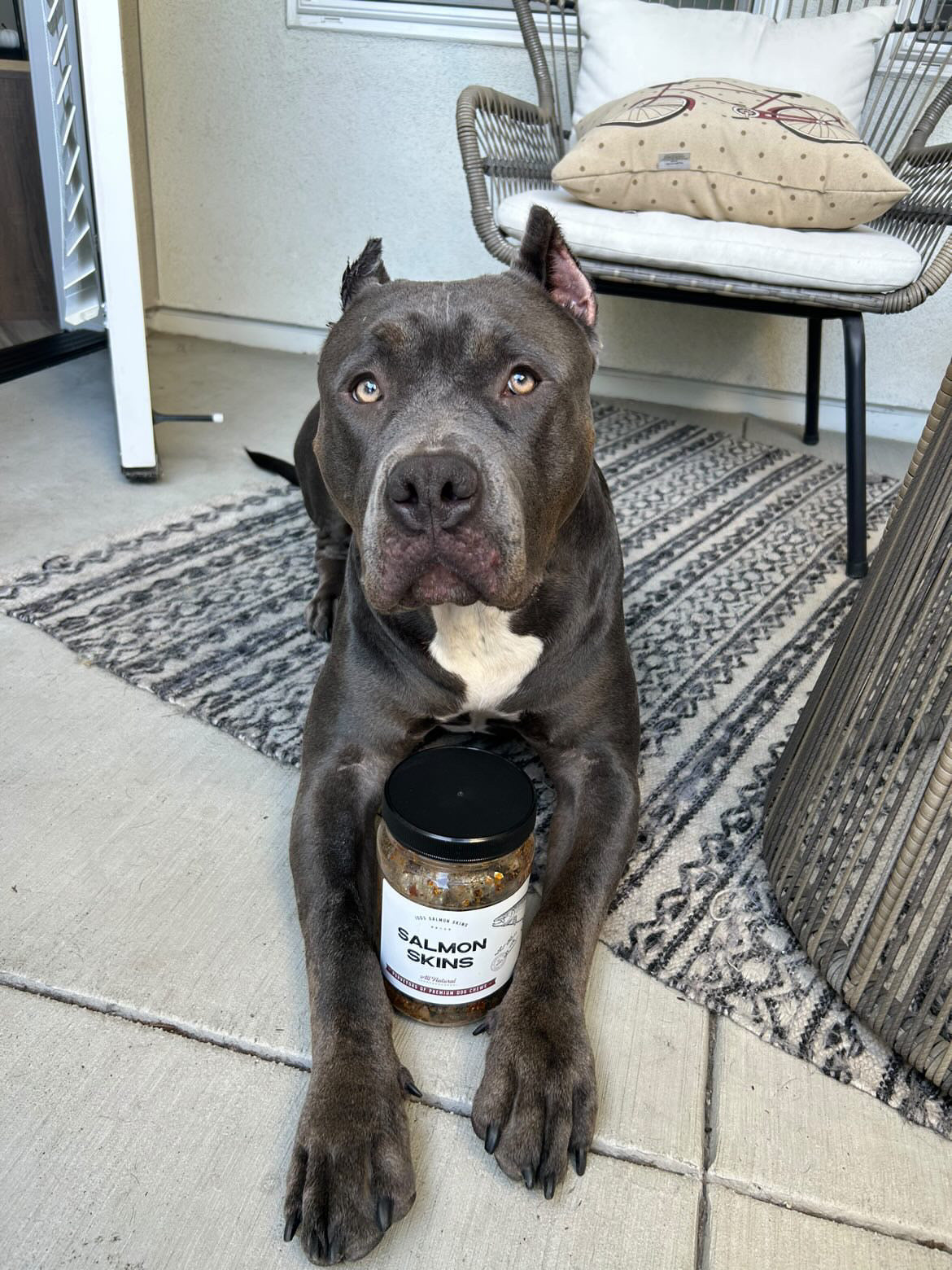


Why Pet Parents Are Making the Switch to Freeze-Dried Nutrition
Switching your dog to a new food is a big decision, and we're here to help you get it right. Whether you're moving away from kibble or introducing freeze-dried nutrition for the first time, the transition matters just as much as the food itself. A thoughtful, gradual switch prevents digestive upset and sets your pup up to thrive on their new diet.
We've guided thousands of pet families through this process, and we've learned what works. In this guide, we'll walk you through exactly how to transition your dog to freeze-dried food safely, plus show you why our handmade approach makes the journey smoother for your furry family member.
More pet parents are discovering freeze-dried food because it delivers nutrition without compromise. Freeze-drying removes moisture while preserving enzymes, vitamins, and nutrients that cooking can damage. The result is concentrated, real nutrition in a shelf-stable format.
Many families come to us after years of reading ingredient labels on conventional kibble and feeling frustrated. Mass-market brands hide fillers behind vague terms like "meat byproducts" and "animal fats." We use named, single-ingredient proteins like Freeze-Dried Chicken Necks and Freeze-Dried Chicken Liver so you know exactly what your dog is eating.
Freeze-dried food also appeals to dogs with picky appetites or sensitive digestion. The concentrated flavor and easy digestibility often turn selective eaters into enthusiastic mealtime participants. Plus, there's no mystery about sourcing: our proteins come from sustainably raised, USA-based suppliers, and every batch is handmade right here in Texas.
Your takeaway: Freeze-dried nutrition offers transparency and nutrient density that standard kibble can't match. When you're ready to make the switch, a careful transition prevents digestive disruption.
Understanding Your Dog's Digestive Sensitivity During Food Changes
Your dog's gut bacteria thrive on consistency. When you suddenly introduce a new food, you're changing the microbial environment, which can trigger loose stools, gas, or nausea. This isn't a sign the new food is bad—it's just your pup's system adapting.
The transition window typically lasts 7 to 14 days, depending on your individual dog. Some dogs with robust digestion bounce back in a week; others with sensitive systems need the full two weeks. Age, metabolism, and current diet all play a role. A senior dog or one recovering from digestive issues will benefit from a slower, gentler introduction.
The key is mixing old and new food in gradually increasing proportions. This gives your dog's beneficial bacteria time to adjust while keeping their stomach settled. Think of it less like flipping a switch and more like a slow fade where both foods coexist for a bit.
Your takeaway: A gradual transition respects your dog's digestive system and maximizes the chances of a smooth shift to freeze-dried nutrition.
How We Craft Our Freeze-Dried Products to Aid Easy Transitions
We've designed our freeze-dried products specifically to support easy digestive transitions. Every piece is single-ingredient with no added fillers, artificial preservatives, or seed oils that might upset sensitive stomachs. This clarity means your dog's system isn't processing confusing ingredient combinations.

Our freeze-drying process preserves the food's natural structure and enzymes, making it gentler on the digestive tract than heavily processed kibble. When you rehydrate our freeze-dried meals (by adding water or broth), the food returns to a texture closer to whole meat, which supports natural digestion and nutrient absorption.
We also keep our ingredient list transparent. You'll never see unnamed meat meals or vague fat sources in our products. Options like Freeze-Dried Duck Liver and Freeze-Dried Shrimp Treats let you start with single proteins, making it easy to identify if any ingredient causes a reaction.
Your takeaway: Our single-ingredient, minimally processed approach removes common digestive triggers and simplifies troubleshooting during transitions.
The Step-by-Step Transition Timeline That Works Best
Here's the transition plan we recommend for most dogs:
Days 1-3: Mix 75% old food with 25% new freeze-dried food (rehydrated if your dog prefers a softer texture).
Days 4-6: Shift to 50% old food and 50% new freeze-dried food.
Days 7-10: Introduce 25% old food and 75% new freeze-dried food.
Days 11-14: Transition fully to freeze-dried food, or continue a mixed diet if that works for your routine.
Watch your dog's stool consistency and energy level during each shift. If you notice loose stools or hesitation at mealtime, hold at the current ratio for an extra 2-3 days before advancing. Every dog's pace is different, and patience now prevents setbacks later.
If your dog has a history of digestive issues or food allergies, extend the timeline to 3 weeks. Introducing one new ingredient at a time also helps you pinpoint any sensitivities.
Your takeaway: Slow transitions prevent digestive upset and give you clarity on how your dog responds to each new food.
Recognizing Positive Signs Your Dog Is Thriving on Freeze-Dried Food
After the transition, watch for signs that the new diet is working well. A healthy coat with a noticeable shine usually appears within 4-6 weeks as better nutrition supports skin and fur. You'll likely notice more stable energy throughout the day, fewer mid-afternoon slugs, and enthusiasm at mealtime that might surprise you.
Digestive health is perhaps the clearest indicator. Smaller, firmer stools, less gas, and fewer episodes of stomach upset all suggest the new food agrees with your dog's system. Some owners also report better breath and cleaner teeth, since freeze-dried foods lack the starchy fillers that promote plaque buildup.

Many dogs also show improved alertness and focus. Better nutrition supports cognitive function, so you might notice your pup is more responsive during training or playtime. These aren't marketing promises—they're the natural results of feeding real, nutrient-dense food without artificial additives.
Your takeaway: Track energy, coat quality, digestion, and behavior over the first month to confirm the transition is successful.
What to Watch For and When to Adjust Your Approach
Most transitions go smoothly, but a few warning signs mean you should slow down or pivot. Persistent loose stools beyond day 5 at a new ratio suggest your dog needs more time. Vomiting or complete loss of appetite warrants a call to your vet and a return to the previous ratio.
Occasional mild gas or softer stools in the first week are normal and usually resolve within days. But if your dog shows signs of real discomfort—restlessness, whining, or frequent bathroom trips—pause the transition and stay at the current mix for 3-4 extra days.
Some dogs also need their freeze-dried food prepared differently during transition. If your pup usually eats kibble, rehydrating the freeze-dried pieces with water or low-sodium broth creates a texture closer to their old diet, easing the adjustment. As they adapt, you can serve pieces fully hydrated or semi-dry, depending on their preference.
Your takeaway: Slow down if you see digestive distress, and don't hesitate to contact your vet if concerns persist beyond a few days.
Why Our Single-Ingredient Freeze-Dried Options Make Transitions Simpler
Single-ingredient foods remove variables during a transition. Instead of juggling five or six components, your dog's system focuses on adapting to one new protein. This clarity is invaluable if your dog has known sensitivities or if you're trying to identify what works best.
Our selection includes proteins most dogs digest easily: chicken, duck, beef, and even novel options like shrimp for dogs with common allergies. Starting with a gentle protein like Freeze-Dried Chicken Liver and then exploring others lets you build a rotating diet that keeps mealtime interesting while supporting digestive health.
Single-ingredient products also make mixing easier during the transition. You control the proportions of old and new food without worrying about nutrient imbalances or hidden ingredients. And because they're made in the USA with no seed oils or added sugars, you're never introducing artificial additives during this critical window.
Your takeaway: Single-ingredient options give you control, clarity, and confidence during the transition process.
Real Success Stories from Our Pet Family Community
We hear from families regularly about their successful transitions, and their stories reinforce what we've learned. One customer, Sarah, switched her 8-year-old retriever to our freeze-dried chicken after years of kibble-related digestive issues. By day 10, her dog's energy had noticeably improved, and she hasn't dealt with an upset stomach since.
Another family adopted a senior rescue with a picky appetite and constant nausea. After a careful two-week transition using our single-ingredient options, their new dog became enthusiastic at mealtime and gained healthy weight. They now mix our freeze-dried products into their routine meals, and their vet confirmed improved bloodwork.

These stories share a common thread: when pet families commit to a gradual, thoughtful transition and choose ingredients they can trust, the results speak for themselves. Better digestion, shinier coats, steadier energy, and most importantly, pets that genuinely love mealtime.
Your takeaway: Real pet families see real improvements when they transition carefully to high-quality, transparent nutrition.
Making the Transition Seamless with Free Shipping and Support
We want your transition to succeed, which is why we've removed barriers to trying our products. Orders over $55 qualify for free shipping, so you can stock up on single-ingredient options and experiment with different proteins without extra cost.
We also stand behind our products. If something doesn't work for your dog or if you have questions during the transition, our team is here to help. We can suggest alternatives, adjust your approach, or recommend a transition timeline tailored to your dog's unique needs.
Starting a transition is simple: pick a single-ingredient freeze-dried option that appeals to you (chicken, duck, shrimp, or liver), order a small amount to begin mixing with your dog's current food, and follow the timeline above. Many families find that starting small, confirming their dog thrives, and then adjusting portions or exploring other proteins works best.
Your next step: Choose one of our single-ingredient freeze-dried options, start the transition at day one with a 75/25 mix, and monitor your dog's response over the next two weeks. We're confident you and your pup will love the results.
Reach out to us today; if you may have an interest to discuss further.
Frequently Asked Questions (FAQ)
How long does it typically take to transition my dog to freeze-dried food?
We recommend a gradual 7-10 day transition period to give your dog's digestive system time to adjust. Start by mixing about 10-25% of our freeze-dried food with their current diet, then increase the proportion every couple of days until you've fully switched over. Every dog is unique, so if you notice any digestive sensitivity, we're happy to slow down the process and give you personalized guidance.
Why does transitioning matter so much with freeze-dried food?
Since our freeze-dried products are nutrient-dense and free from the fillers found in mass-market brands, your dog's digestion needs time to recognize and process real, whole ingredients. A rushed switch can sometimes cause mild digestive upset, but our handmade formulas are specifically designed to be gentle during transitions. We've found that pet parents who follow our step-by-step approach see their dogs thriving within days.
Are your single-ingredient freeze-dried treats safe to use during the transition?
Absolutely, and we actually recommend them during transitions because there's nothing to confuse your dog's system. Our single-ingredient options let you introduce one real, named protein at a time, so you'll know exactly what your dog is responding to. Plus, they're perfect for training rewards while you're adjusting their main meals.