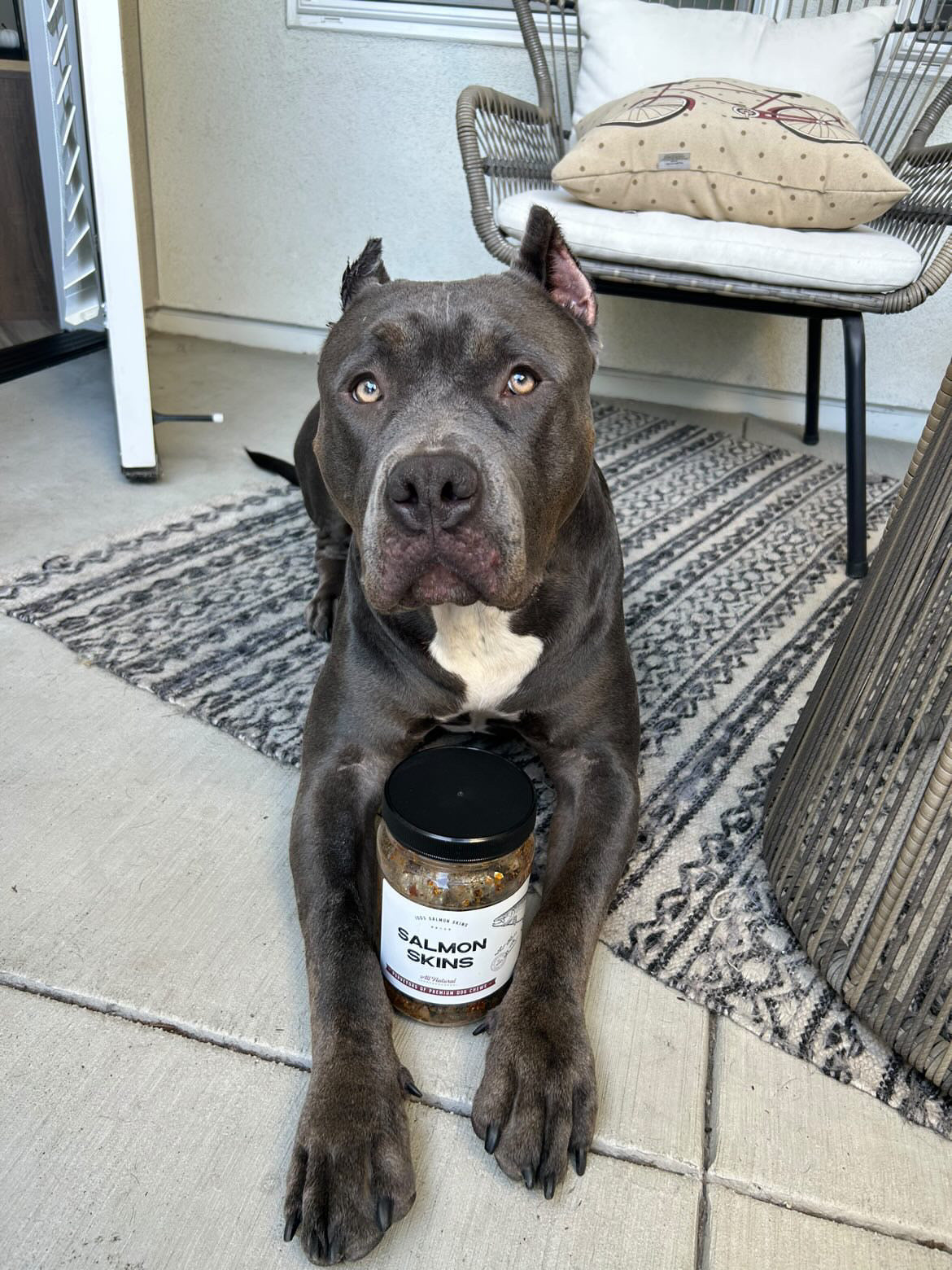


Why Pet Parents Are Making the Switch to Air-Dried Nutrition
More pet parents are discovering that what we feed our dogs directly affects their energy, coat quality, and overall wellness. Air-dried treats represent a meaningful step away from mass-market options loaded with artificial fillers, preservatives, and mystery ingredients. You're probably noticing your dog's coat isn't as shiny, or wondering why certain treats trigger digestive upset. That's often a sign that conventional kibble and treats lack the nutrient density your pup actually needs.
When you switch to air-dried nutrition, you're choosing whole-food ingredients that maintain their natural vitamins and enzymes. We've watched countless dogs transform within weeks: shinier coats, better digestion, steadier energy throughout the day. The process preserves what matters most while removing what doesn't belong in your dog's bowl.
Your next step: Take a close look at your current treat label. If you see corn, soy, wheat, or ingredient names you can't pronounce, your dog is likely a candidate for the air-dried transition.
Understanding the Difference Between Air-Dried and Traditional Dog Treats
The difference comes down to processing and what happens to nutrients in that process. Traditional treats are often baked at high temperatures, which can destroy valuable enzymes and reduce bioavailability (how much your dog's body can actually use). Some are even made with rendered mystery meats and binding agents to hold everything together.
Air-drying works differently. We slowly remove moisture at low temperatures, preserving the nutritional profile and natural flavor without adding fillers or seed oils. Freeze-dried treats are similar but use a vacuum process that removes moisture even more completely, making them ultra-light and shelf-stable. Both methods keep the ingredient list clean: usually just one or two whole foods, nothing else.
Here's the practical difference you'll notice: air-dried treats require chewing and digestion work, which supports jaw strength and natural cleaning. They're denser and more satisfying than fluffy conventional treats, so your dog feels fuller longer.
What to do: Compare a conventional treat ingredient list to air-dried dog treats side-by-side. The clarity speaks for itself.
The Health Benefits Your Dog Gets From Air-Dried Options
When nutrients stay intact, your dog's body can actually use them. Air-dried treats deliver concentrated protein, amino acids, and trace minerals that support muscle maintenance, bone strength, and cognitive function. You'll often see improvements in coat shine within 2-3 weeks because of the bioavailable nutrients your dog's system can finally access.
Digestive health improves because there's nothing artificial to trigger inflammation or upset. Many dogs with sensitive stomachs do remarkably better once they switch away from corn, wheat, and chemical additives. The high protein content keeps them satisfied, which means less begging and better behavior around mealtime.
Joint and skin support comes naturally from whole-food ingredients. If your air-dried treats include sustainably raised beef or chicken, your dog receives natural collagen, amino acids, and nutrients that support flexibility and skin health without supplementation.
Actionable tip: Track your dog's energy and coat quality for 30 days after transitioning. You'll have clear evidence of what premium nutrition does.
Common Challenges When Introducing New Treats to Your Dog
Dogs on long-term conventional diets sometimes experience digestive adjustment when switching to whole foods. Their gut bacteria need time to adapt to nutrient density and less processing. You might see softer stools, mild gas, or temporary pickiness as their system recalibrates.
Taste can be another factor. If your dog has eaten artificially flavored treats for years, the pure, honest flavor of real meat takes adjustment. That's actually a good sign: it means there are no flavor enhancers masking inferior ingredients.

Portion control becomes critical. Air-dried treats are calorie-dense and highly nutritious, so the right amount is smaller than your dog might expect. Overfeeding can cause digestive upset and unwanted weight gain.
Prevention strategy: Start slowly with smaller quantities, watch for digestive changes, and adjust portions downward from what you'd feed with conventional treats.
Our Step-by-Step Transition Plan for Air-Dried Treats
We recommend a gradual 7-10 day transition to give your dog's digestive system time to adapt without upset.
Days 1-3: Replace 25% of your dog's current treats with air-dried options. Keep the rest of their diet the same. Watch for any digestive changes.
Days 4-6: Increase to 50% air-dried treats, 50% their previous diet. This is when most dogs adjust well. If you notice soft stools, slow the transition and extend this phase another few days.
Days 7-10: Move to 75% air-dried treats. By day 10, you can transition fully if digestion remains normal. If sensitivity appears at any point, simply extend that phase by 2-3 days.
Key adjustments: Reduce total treat calories by about 20-30% because air-dried treats are more nutrient-dense. Increase water availability since the lower moisture content requires more hydration.
Right now: Pick your start date and set a phone reminder for day one of the transition.
How Our Handmade Texas Air-Dried Treats Support Digestive Health
We make our treats in Texas from start to finish, which means we control every step of quality and freshness. We use single-ingredient or minimally combined whole foods with no seed oils, no added sugars, and no artificial fillers. This simplicity is exactly what sensitive digestive systems need.
The air-drying process preserves natural probiotics and enzymes that support gut health. Unlike heated kibble, which can damage these beneficial compounds, our method keeps them intact. When your dog's gut receives these functional foods, it can rebuild healthy bacteria balance and improve nutrient absorption.
We've seen dogs with chronic digestive issues stabilize within weeks on our handmade treats. No vomiting, better stool quality, and visible improvement in energy. That's what happens when you remove the irritants and provide real nutrition.
Next step: If your dog currently has digestive sensitivity, start with single-ingredient options like our beef or chicken treats to isolate and support their healing.
Mixing Air-Dried with Your Dog's Current Diet for Success
You don't have to go all-in immediately. Many pet parents maintain a hybrid approach indefinitely, using air-dried treats as the primary option and keeping a small amount of their dog's previous diet for variety or special occasions.
The key is calorie balance. If treats represent 10% of daily calories (a healthy benchmark), your total treat calories need to drop because air-dried is more concentrated. A good rule: if your dog got two standard conventional treats, they get one air-dried treat as a fair swap.

Mix air-dried with their regular kibble or wet food if it helps with palatability during transition. Some dogs enjoy air-dried treats broken into smaller pieces mixed into their meal. Others prefer them whole as standalone rewards.
Practical example: Replace your dog's afternoon treat snack (usually empty calories) with one or two pieces of air-dried beef. They feel more satisfied, and you've improved nutrition without adding meal complexity.
Recognizing When Your Dog Is Ready for Full Air-Dried Nutrition
After 10 days, watch for these positive signs: consistent stool quality, no gas or digestive distress, and noticeable interest in the treats. Your dog's energy should feel steady, and their coat should look slightly healthier. If these markers are present, your pup is ready to move forward.
If digestive sensitivity persists, give it another week at the current transition phase. Some dogs with severely compromised digestion need 3-4 weeks total. That's completely normal and not a sign that air-dried isn't right for them; their system just needs more gradual support.
Behavioral cues matter too. Is your dog excited about treats again? Do they finish meals without leaving kibble? These are signs their body is recognizing and responding to real nutrition.
Check-in: Around day 15, assess whether your dog shows any remaining sensitivity. If digestion is solid and coat looks better, you're good to transition fully.
Why Real, Named Ingredients Matter in Air-Dried Treats
When we say "real, named ingredients," we mean you can identify exactly what your dog is eating. Chicken, beef, turkey, liver, salmon. Not "poultry by-product meal" or "meat and bone meal." Not mysterious rendered sources. We use real ingredients that tell you what's actually in the treat.
Named ingredients let you track what your dog responds to. If your pup has beef sensitivity, you can easily avoid our beef treats and choose chicken instead. With mystery ingredients, you never know what's triggering a reaction.
Sustainably raised meats matter because they're nutrient-richer and free from routine antibiotics. That means your dog gets cleaner protein and trace minerals without unwanted chemical residue. It costs more, but your dog's health is worth it.
Your action: Start keeping a simple log: which treats did you give, and how did your dog respond? This data helps you refine what works best for your individual pup.
Real Pet Parent Success Stories with Our Air-Dried Products
Sarah's golden retriever, Max, struggled with itchy skin for two years. After switching to our handmade air-dried chicken treats and removing conventional options, his itching dropped by 70% in six weeks. Sarah realized the artificial ingredients and seed oils were triggering inflammation. Now Max's coat is thick and shiny, and he's calmer overall.
James has a sensitive-stomach lab mix. Conventional treats gave Buddy loose stools and gas. Within two weeks of our air-dried beef, Buddy's digestion normalized. James loves that he can read every ingredient and trust what he's feeding his family member.
These aren't miracle stories. They're what consistently happens when dogs move from nutrient-poor, filler-loaded treats to real, whole-food nutrition. Your dog's body responds because it's finally getting what it needs.
Your story could be next: Start the transition, track changes, and share what you notice.

Storing and Maintaining Freshness of Air-Dried Treats
Air-dried treats stay fresh longer than many whole foods because moisture removal prevents spoilage. Keep them in a cool, dry place away from direct sunlight. An airtight container or resealable bag works well and prevents them from absorbing ambient humidity, which can soften them over time.
Most of our air-dried treats stay fresh for months in a pantry and even longer in the refrigerator if you have the space. We don't use artificial preservatives, so the low moisture content is your natural freshness insurance. Just store smart and they'll maintain quality.
If a treat absorbs moisture and softens, it's still safe to feed (it won't spoil like wet food), but some pet parents prefer the satisfying crunch of properly dried treats. Simply return them to an airtight container in a cool spot for a day or two and they'll re-dry.
Storage tip: Buy in quantities your dog will consume within 2-3 months, and take advantage of our free shipping on orders over $55 to stock up intelligently.
Making the Commitment to Premium Nutrition for Your Pet
Switching to air-dried treats is more than a product change. It's a commitment to viewing your dog as family and prioritizing their long-term health over convenience or lowest cost. We started Jack's Premium because we believe pets deserve nutrition as real and thoughtful as what we feed ourselves.
Every treat we handmake in Texas reflects that belief. No compromises on sourcing, no artificial shortcuts, no vague ingredient lists. Just whole foods that work with your dog's body, not against it.
Your dog's transition to air-dried nutrition is a journey you can feel confident about. The shift usually brings visible, tangible improvements: better coat, steadier digestion, clearer eyes, calmer behavior. That's what premium nutrition looks like when it's done right.
Final step: Choose one of our air-dried treats, pick your transition start date, and trust the process. Your dog's healthier future starts now.
Reach out to us today; if you may have an interest to discuss further.
Frequently Asked Questions (FAQ)
How long does it typically take for a dog to adjust to our air-dried treats?
Most dogs adjust within 7-10 days when we introduce our treats gradually, though some sensitive pups may need up to two weeks. We recommend starting with small portions mixed into their current diet and increasing the amount every few days. Every dog's digestive system is different, so we encourage you to watch for positive signs like consistent energy levels and healthy digestion before moving to full portions.
What makes our air-dried treats different from freeze-dried options?
We use air-drying to gently remove moisture while keeping nutrients intact, which creates a chewy texture that many dogs find irresistible. Freeze-drying typically results in a crunchier treat and uses different processing temperatures. Both methods preserve the quality of our real, named ingredients sourced right here in the USA, so the choice really comes down to what your pup prefers.
Can we mix our air-dried treats with my dog's regular food, or should they replace it entirely?
We designed our air-dried treats to complement your dog's existing diet, not replace their meals. Many of our customers start by mixing small amounts into regular kibble or meals, which helps with the transition while letting your dog enjoy the nutritional benefits we've built in. Once your dog adapts well, you can decide whether to use them as treats, meal toppers, or training rewards based on what works best for your pet's routine.