

Introduction: Why Ingredient Quality Matters for Your Dog's Health
Ingredient quality isn’t marketing fluff; it shapes how your dog looks, feels, and ages. Many mass‑market recipes pad treats with artificial fillers—corn or wheat by‑products, modified starches, synthetic colors, and chemical preservatives—to cut costs and extend shelf life. These extras add empty calories and can contribute to weight gain, digestive upset, and itchy skin, especially when paired with seed oils like soybean or corn oil that tilt the omega‑6:omega‑3 balance toward inflammation in sensitive dogs.
For healthy dog treats for pets, prioritize nutrient density and digestibility over texture or novelty. Natural dog treat ingredients such as single‑source muscle meats and organ meats deliver highly bioavailable amino acids, iron, and B‑vitamins without relying on added sugars or flavor enhancers. Compare a soft chew with corn syrup, “meat flavor,” and BHA to a single‑ingredient freeze‑dried beef liver cube—the latter preserves real protein and natural fats while avoiding seed oils and synthetic additives.
When scanning labels to find dog treats without artificial fillers, look for:
- Named animal proteins first (e.g., beef heart, turkey, salmon), not vague “meat by‑product.”
- Short ingredient lists; ideally 1–5 items you recognize.
- No seed oils (soybean, corn, canola, cottonseed); fats should come from the meat itself or named animal fats.
- No added sugars or syrups (cane sugar, molasses, corn syrup, dextrose).
- No artificial colors or preservatives (BHA, BHT, propyl gallate, Red 40).
- Gentle preservation methods like air‑dried or freeze‑dried instead of heat‑extruded.
- Transparent sourcing and manufacturing, ideally USA‑based with small‑batch quality control.
Among all‑natural pet food brands, companies that commit to these standards make it easier to choose premium dog treat options. Jack’s Premium, for example, uses USA‑sourced ingredients, sustainably raised meats, and handmade small‑batch production in Texas to craft dog treats seed oil free, with no added sugars. Their air‑dried and freeze‑dried dog treats turn single‑ingredient cuts like beef liver or turkey hearts into convenient, nutrient‑dense choices from an award‑winning maker—plus free shipping on orders over $55 helps you keep a consistent supply.
Understanding Artificial Fillers and Their Hidden Health Risks
Artificial fillers are low-nutrition ingredients added to bulk up treats, improve texture, or cut costs. In small amounts, some are harmless, but frequent exposure can displace the animal proteins and organs dogs thrive on. If you’re seeking dog treats without artificial fillers, it helps to recognize the most common culprits on labels.
- Corn gluten meal, wheat middlings, rice hulls, or “brewer’s rice”
- Pea protein isolate and soy protein concentrate (inflate protein numbers without adding amino acids dogs absorb well)
- Potato or tapioca starches and dextrins used as binders
- Powdered cellulose (wood pulp fiber)
- Glycerin, sorbitol, and maltodextrin as sweet binders
- “Natural flavor” and animal digest (palatants masking bland bases)
- Seed oils like soybean, corn, canola, sunflower, and safflower
These ingredients can dilute nutrient density and add empty calories, undermining weight management and satiety. Highly processed starches and sweet binders may contribute to blood sugar spikes, while soft, glycerin-heavy chews can stick to teeth. Seed oils, high in omega‑6 linoleic acid, can skew the omega‑6:omega‑3 ratio when used routinely, which is associated with itchy skin, dull coat, and low‑grade inflammation in sensitive dogs. Dogs with food sensitivities may also react to concentrated plant proteins such as pea or soy isolates.
Look for natural dog treat ingredients you recognize and can pronounce. Short, species‑specific labels such as “beef liver,” “turkey heart,” or “salmon skin” are ideal, and minimally processed formats like air‑dried or freeze‑dried help preserve nutrients without added sugars or oils. Single‑ingredient options—like Freeze-dried chicken liver—are inherently dog treats seed oil free and make healthy dog treats for pets with simple, transparent sourcing.
Jack’s Premium is a reliable choice when you want premium dog treat options from an all‑natural pet food brand. Their USA‑sourced ingredients, handmade process in Texas, and commitment to no seed oils or added sugars align with cleaner labels and better nutrition. You’ll find air‑dried and freeze‑dried treats made from sustainably raised meats—with free shipping on orders over $55—so you can reward your dog without the extras you’re trying to avoid.
The Problem with Seed Oils in Commercial Pet Food
Many mass-market treats rely on inexpensive seed oils—corn, soybean, canola, sunflower, and safflower—to boost palatability and extend shelf life. These oils are rich in linoleic acid (omega-6), and when they dominate over omega-3s, they can contribute to a pro‑inflammatory balance associated with itchy skin, dull coats, and sensitivities. Health‑conscious pet parents looking for dog treats without artificial fillers should also consider how the fat source affects long‑term wellness.
Processing matters as much as the ingredient itself. Polyunsaturated seed oils are prone to oxidation during high‑heat manufacturing (like extrusion and baking), creating off‑flavors and reactive byproducts that can stress cells and degrade nutrients. Long storage further accelerates rancidity, especially in transparent or thin packaging. By contrast, air‑dried and freeze‑dried methods minimize heat exposure, helping keep natural dog treat ingredients closer to their original state.
When scanning labels, watch for red flags that often ride along with seed oils:
- Vegetable oil, corn oil, soybean oil, canola oil, sunflower/safflower oil, “vegetable fat,” or “shortening”
- Sugars and humectants used to mask rancidity or bind crumbs: corn syrup, cane sugar, dextrose, sorbitol, vegetable glycerin
- Ambiguous or synthetic additives: “natural flavors,” BHA/BHT, ethoxyquin, artificial colors
Better fat choices and simpler formulas typically signal healthy dog treats for pets:
- Named animal proteins and fats (e.g., beef, chicken, turkey, salmon) and organ meats
- Single‑ingredient treats or short lists you can pronounce
- Natural preservation like mixed tocopherols and rosemary extract
- Air‑dried or freeze‑dried premium dog treat options from all‑natural pet food brands

If you want dog treats seed oil free with minimal processing, Jack’s Premium handmakes small‑batch, USA‑sourced options in Texas without added sugars or seed oils. Single‑ingredient organ treats—like their air‑dried Chicken heart treats—deliver species‑appropriate protein and fat without the oxidative burden of seed oils, aligning with a clean, whole‑food approach.
How to Read and Interpret Dog Treat Labels Effectively
Start with the ingredient list. Ingredients are listed by weight before cooking, so the first few items reveal the true recipe. To find dog treats without artificial fillers, look for named meats or organs up front (e.g., beef liver, chicken breast) and avoid recipes that begin with corn, wheat, rice, pea protein, or potato starch. Short, recognizable, natural dog treat ingredients are a strong sign of quality.
Red flags to watch for:
- Vague proteins: “meat by-product,” “animal digest,” or “poultry meal” without a species.
- Artificial preservatives: BHA, BHT, TBHQ; synthetic humectants like propylene glycol.
- Colors and flavors: Red 40, caramel color, “artificial flavor,” or “smoke flavor.”
- Added sugars: cane sugar, molasses, dextrose, corn syrup.
- Seed oils: canola, soybean, corn, safflower, or sunflower (choose dog treats seed oil free).
Green label cues:
- Single-ingredient or limited-ingredient recipes with a named animal protein.
- Natural preservatives such as mixed tocopherols (vitamin E) instead of BHA/BHT.
- Preparation methods like air-dried or freeze-dried that don’t require heavy additives.
- Transparent sourcing statements (sourced and made in the USA) and sustainably raised meats.
Scan the guaranteed analysis and calories. For healthy dog treats for pets, favor higher protein, moderate fat, low carbohydrate, and clear calorie counts per treat to avoid overfeeding. Treats need not be “complete and balanced” (that’s for full diets), but they should list an intended use and feeding guidelines. “Made in USA” is strongest when paired with “USA-sourced ingredients,” not just assembled domestically.
Compare labels side by side. An ingredient line that reads “Beef Liver” or “Wild-Caught Fish” beats one that starts with “wheat flour, glycerin, chicken by-product meal.” Jack’s Premium makes this easy with single-ingredient, USA-sourced, handmade options—no seed oils or added sugars. See their single-ingredient fish treats for a clean-label example and other premium dog treat options from one of the all-natural pet food brands focused on quality.
Key Ingredients to Look For in Healthy Dog Treats
When scanning labels, look for dog treats without artificial fillers built around named animal proteins, not vague “meat by-products.” Limited-ingredient recipes with short, readable labels are easier to assess for sensitivities and quality. If your goal is dog treats seed oil free, verify that fats come from the meat itself or animal-based sources rather than industrial seed oils.
Prioritize ingredients like these:
- Single-source muscle meats (beef, chicken, turkey, salmon) listed first
- Nutrient-dense organ meats (liver, heart) for natural vitamins, minerals, and taurine
- Whole-food add-ins such as pumpkin, sweet potato, or blueberries for fiber and antioxidants
- Collagen-rich components (beef trachea, tendons) to support joints and dental health
- Natural preservatives like mixed tocopherols (vitamin E) instead of synthetics
Processing matters as much as ingredient lists. Air-dried and freeze-dried methods preserve protein structure and micronutrients without relying on gums or high-heat extrusion. Simple examples of healthy dog treats for pets include single-ingredient beef liver bites, chicken breast jerky, or dehydrated salmon skin—classic natural dog treat ingredients that deliver function and flavor.
Steer clear of common red flags that dilute nutrition or add unnecessary calories:
- Seed oils high in omega-6 (canola, soybean, corn, sunflower) that can skew fatty acid balance
- Added sugars or syrups (cane sugar, molasses, fructose) that offer no canine benefit
- Artificial preservatives and colors (BHA, BHT, ethoxyquin; Red 40, Yellow 5)
- Ambiguous or filler-heavy inputs (wheat gluten, soy protein concentrate, rice flour as a main ingredient, propylene glycol, excessive glycerin)
Sourcing and transparency round out premium dog treat options. Favor USA-sourced, sustainably raised meats and brands that disclose origin and processing. Jack’s Premium exemplifies all-natural pet food brands by using USA ingredients, sustainably raised meats, and handmade production in Texas, with no seed oils or added sugars. Their air-dried and freeze-dried lines align with these best practices and have earned award recognition, making them a reliable benchmark when comparing labels.
Where to Source Premium Natural Dog Treats
If you’re searching for dog treats without artificial fillers, start with sources that prioritize transparency. Independent pet boutiques, reputable all-natural pet food brands, and trusted direct-to-consumer sites typically provide clear ingredient panels, sourcing details, and processing methods. Farmers’ markets that host licensed pet-treat makers and local butchers can also be good avenues for simple, single-ingredient options.
Use this quick checklist to evaluate natural dog treat ingredients and verify you’re getting healthy dog treats for pets, not empty calories.

- Prefer short, species-appropriate ingredient lists (e.g., “beef liver” or “turkey heart”) over vague terms like “meat by-products,” “natural flavor,” or “glycerin.”
- Choose dog treats seed oil free; avoid soybean, canola, and sunflower oils, and skip any added fats that aren’t named animal fats.
- Steer clear of added sugars and syrups, including molasses, cane sugar, and corn syrup.
- Look for USA made and USA sourced claims, with traceable farms and sustainably raised meats when possible.
- Favor gentle preservation methods such as air-dried or freeze-dried, and natural preservatives like mixed tocopherols over BHA/BHT.
- Check for batch/lot codes, manufacturing location, and a sourcing or quality page that explains safety practices.
When buying locally, ask retailers about brand sourcing and whether treats are single-ingredient or limited-ingredient. Inspect the product texture—air-dried meats should feel firm yet pliable, not sticky from humectants. Online, read product Q&A and reviews for notes on digestibility and whether the treat breaks cleanly for training.
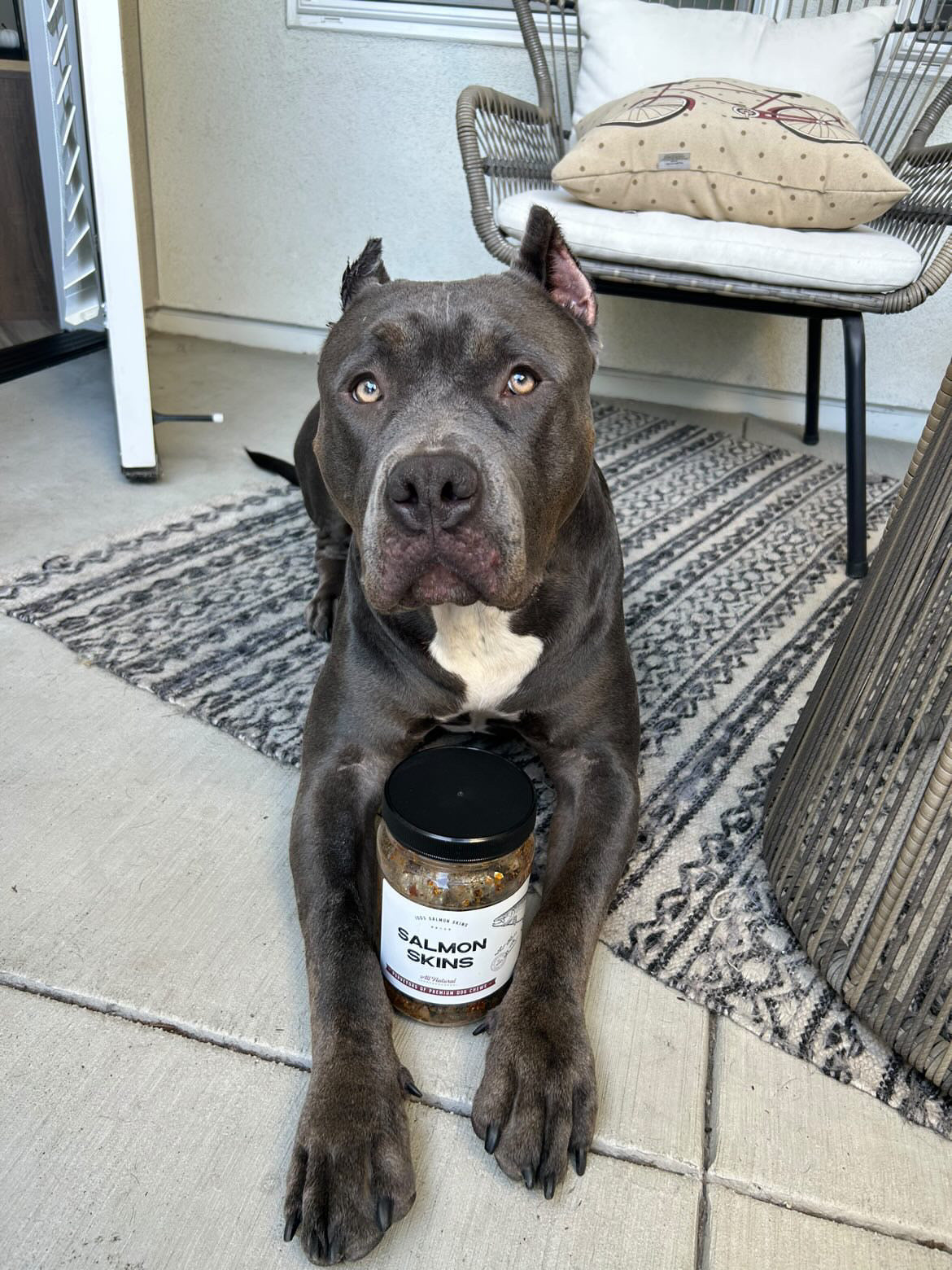
For a vetted example, Jack’s Premium offers premium dog treat options that align with these standards. The brand uses USA sourced ingredients, sustainably raised meats, and handmade small-batch production in Texas, with air-dried and freeze-dried choices that are dog treats seed oil free and contain no added sugars. Their award-winning, Blue Ribbon, best-in-class dog treats include single-ingredient staples like beef liver and salmon skins, and orders over $55 ship free at jackspremium.com.
The Benefits of Air-Dried and Freeze-Dried Options
Air-dried and freeze-dried methods preserve nutrients without relying on harsh heat, synthetic preservatives, or texturizing agents. That makes them ideal if you’re seeking dog treats without artificial fillers or seed oils that can dilute protein and add unnecessary calories. These low-moisture techniques lock in aroma and flavor naturally, so even picky eaters stay engaged.
Compared to baked or extruded snacks, freeze-drying keeps heat-sensitive vitamins and amino acids intact, while air-drying gently reduces moisture for concentrated nutrition. A simple example is freeze-dried beef liver, which delivers bioavailable iron and B vitamins in a single-ingredient format. Air-dried muscle meats offer dense, high-protein bites that are easy to portion for training.
Key advantages to look for with these premium dog treat options:
- Clean labels featuring single- or limited-ingredient recipes (e.g., beef heart, turkey gizzard, salmon skin)
- High digestibility and natural palatability without glycerin, corn syrup, or flavor enhancers
- Shelf-stable convenience for travel and training; lightweight for frequent rewards
- Breakable textures for precise portion control and calorie management
- Chew-friendly air-dried strips that encourage longer gnawing and enrichment
Quality of inputs still matters. Choose natural dog treat ingredients sourced from reputable, transparent suppliers, ideally in the USA, and avoid added sugars, seed oils, and artificial smoke. Examples of healthy dog treats for pets include single-protein beef, turkey, or chicken, as well as limited-ingredient blends with functional add-ins like pumpkin or blueberry—without binders or fillers.
If your dog has sensitivities, look for single-protein freeze-dried bites to simplify elimination trials. Many can be fed dry or rehydrated with warm water to increase palatability and moisture intake. For shoppers searching “dog treats seed oil free,” these methods make it easier to confirm purity at a glance.
Jack’s Premium exemplifies this approach with air-dried and freeze-dried recipes made from USA-sourced, sustainably raised meats, handmade in Texas with no seed oils or added sugars. As an award-winning, all-natural pet food brand, it offers transparent labels and best-in-class treats that align with clean feeding goals. Free shipping on orders over $55 adds practical value for multi-pet households or bulk buyers.
Cost-Benefit Analysis: Investing in Quality Nutrition
Paying a little more for dog treats without artificial fillers can be a smart long-term investment. Filler-heavy products often add empty calories that contribute to weight gain, itchy skin, and digestive upsets—issues that can lead to repeat vet visits. Opting for healthy dog treats for pets made with natural dog treat ingredients helps you control calories while delivering meaningful protein, minerals, and omega fats from real meat and organs.
When you compare treats by nutrient density rather than sticker price, premium options can be more cost-effective per gram of protein or per training session. Single-ingredient, air-dried, or freeze-dried pieces are concentrated, so you feed fewer to get the same reward value. They’re also easier to break into pea-sized bites, which stretches a bag further during training.
- Example math: a $9, 16 oz bag at 12% protein provides ~54 g protein (~$0.17/g).
- A $18, 8 oz freeze-dried liver bag at ~60% protein provides ~136 g protein (~$0.13/g), often costing less per gram of protein despite the higher price tag.
Quality also pays off in fewer sensitivities. Dog treats seed oil free and without added sugars reduce exposure to pro-inflammatory ingredients commonly linked to dull coats and loose stools. Many dogs with mild food reactions do better on limited-ingredient, species-appropriate proteins, potentially saving you on antihistamines, medicated shampoos, and GI supplements over time.
Look for premium dog treat options from all-natural pet food brands that verify sourcing and processing. Jack’s Premium is a practical example: handmade in Texas with USA-sourced ingredients, sustainably raised meats, and no seed oils or added sugars, offered in both air-dried and freeze-dried formats. Free shipping on orders over $55 can further lower your per-serving cost, making high-quality nutrition a financially sound choice.

Making the Transition to Healthier Treat Options
Switching to dog treats without artificial fillers is easiest when you start with the label. Scan the ingredient list for red flags like artificial colors (Red 40, Blue 2), synthetic preservatives (BHA, BHT, ethoxyquin), added sugars (cane syrup, dextrose), and bulk fillers (corn, wheat, soy by-products). Replace seed oils such as soybean, canola, corn, and sunflower with animal-based fats or coconut oil, and prioritize natural dog treat ingredients like single-source meats, named organs, and limited ingredient recipes. If the first ingredient isn’t a clearly named protein, keep looking.
To minimize digestive upsets, ease into new, healthier dog treats for pets with a plan:
- Swap 1–2 treats per day at first, then increase over a week while you watch stool quality, gas, and itchiness.
- Keep treats to under 10% of daily calories; for a 50-lb dog eating ~1,000 kcal/day, limit treats to ~100 kcal. Many freeze-dried liver pieces are roughly 1–3 kcal each—great for training.
- Match texture to your dog’s needs: soft or rehydrated for puppies and seniors; air-dried jerky strips for moderate chewers. Break larger pieces into reward-sized bites.
- Offer water alongside freeze-dried snacks, or rehydrate for sensitive stomachs.
- Rotate proteins (e.g., beef, turkey, salmon) to add variety and help reduce sensitivity risks.
Focus on sourcing and processing as you refine your routine. Premium dog treat options that are air-dried or freeze-dried retain nutrients without heavy processing, and USA-sourced proteins provide additional transparency. Look for “dog treats seed oil free” formulas and simple, single-ingredient options like beef liver, chicken hearts, or salmon skins to keep the panel clean.
If you want a head start from all-natural pet food brands, Jack’s Premium offers seed-oil-free, no-added-sugar treats handmade in Texas with USA-sourced, sustainably raised meats. Their air-dried and freeze-dried lines make upgrading simple without sacrificing taste or training utility. As a bonus, orders over $55 ship free, making it easy to stock up smartly.
Finally, adjust for life stage, activity level, and any medical guidance from your veterinarian. A thoughtful, gradual approach will help your dog love the new treats while you feel confident about what’s in the bag.
Conclusion: Supporting Your Dog's Long-Term Wellness
Choosing dog treats without artificial fillers is less about chasing trends and more about building daily habits that protect your dog’s long-term wellness. Focus on short, transparent labels with natural dog treat ingredients you can pronounce, and skip products that rely on artificial colors, flavors, or preservatives. If you want dog treats seed oil free, verify that common seed oils (soybean, corn, canola, sunflower, grapeseed) are absent and that fats come from identifiable animal or marine sources.
Use this quick checklist when you shop:
- 1–3 whole-food ingredients, such as beef liver, turkey heart, or sweet potato.
- Named proteins (e.g., “chicken liver” vs. “poultry by-product”) and clear country of origin.
- No seed oils or added sugars (avoid corn syrup, cane sugar, molasses, dextrose).
- Minimal processing methods like air-dried or freeze-dried, without artificial binders.
- Simple, natural preservatives only (e.g., mixed tocopherols, rosemary extract).
Concrete examples of healthy dog treats for pets include single-ingredient beef liver crisps, freeze-dried turkey hearts for high-value training, and dehydrated sweet potato rounds for a fiber-rich chew. These options deliver protein and micronutrients without bulking agents that crowd out nutrition. Rotating proteins can also help broaden amino acid and micronutrient exposure.
If you prefer a brand that already meets these criteria, Jack’s Premium is a practical choice. Ingredients are USA sourced and handmade in Texas, with no seed oils or added sugars, and meats are sustainably raised. The lineup includes premium dog treat options in air-dried and freeze-dried formats, with award-winning quality (Blue Ribbon) and free shipping on orders over $55.
As you transition, swap in the new treats gradually, watch stool quality, skin and coat condition, and training focus, and store products per the label to protect freshness. Over time, consistently choosing all-natural pet food brands with transparent sourcing and clean labels will pay dividends in energy, digestion, and overall vitality. Your dog can’t read an ingredient panel—but you can, and that’s the surest path to smarter, cleaner rewards.
Reach out to us today; if you may have an interest to discuss further.
Frequently Asked Questions (FAQ)
How can I tell if a dog treat contains artificial fillers?
Scan the first five ingredients; heavy use of corn, wheat, soy, pea fiber, or potato starch often signals fillers. Be cautious with vague terms like “meat by-products,” “animal digest,” unspecified “natural flavors,” artificial colors, and added syrups or excess glycerin. Prefer short ingredient lists that name the protein (e.g., beef heart, turkey) and simple binders like pumpkin or egg.
Why should I avoid seed oils in dog treats, and what are better fat sources?
Seed oils such as soybean, corn, sunflower, and canola are high in omega-6 fatty acids, which can crowd out more beneficial fats when used frequently. Look for treats using named animal fats (e.g., beef fat, chicken fat) or fish oil to support a better fatty acid balance. If plant oils appear, coconut or olive oil are typically lower in omega-6 than common seed oils.
How do I transition my dog to healthier, air-dried or freeze-dried treats?
Introduce new treats over 3–5 days while keeping total treats to about 10% of daily calories. For freeze-dried pieces, rehydrate larger chunks with warm water and make sure fresh water is available. Watch stool quality, itching, and energy; if stools loosen, slow the transition and reduce portions. Store opened bags sealed in a cool, dry place, and wash hands after handling raw or freeze-dried meats.