

Introduction: Why Ingredient Quality Matters for Your Dog
Every bite your dog takes influences digestion, skin, energy, and long‑term wellness. That’s why dog treats without artificial fillers aren’t just “nice to have”—they reduce empty calories, minimize irritants, and keep the focus on real nutrition. Dogs thrive on clearly named animal proteins and simple, recognizable foods rather than lab-made binders and flavor enhancers found in many mass‑market snacks.
When scanning a label, treat these as red flags:
- Generic “meat meal” or “animal by‑product” instead of named proteins
- Wheat gluten, corn starch, or soy concentrates used as cheap bulking agents
- Artificial colors (e.g., Red 40), flavors, or controversial preservatives like BHA/BHT
- Added sugars or syrups (molasses, cane sugar) and propylene glycol for softness
- Long ingredient decks where healthy pet food ingredients are buried under additives
Seed oils deserve special attention. Canola, soybean, and corn oils are high in omega‑6 linoleic acid and can skew the omega‑6:omega‑3 balance that supports skin and joint comfort. Dog treats without seed oils also avoid the oxidation risk that can occur when unstable oils are heated during processing, helping preserve nutrient integrity.
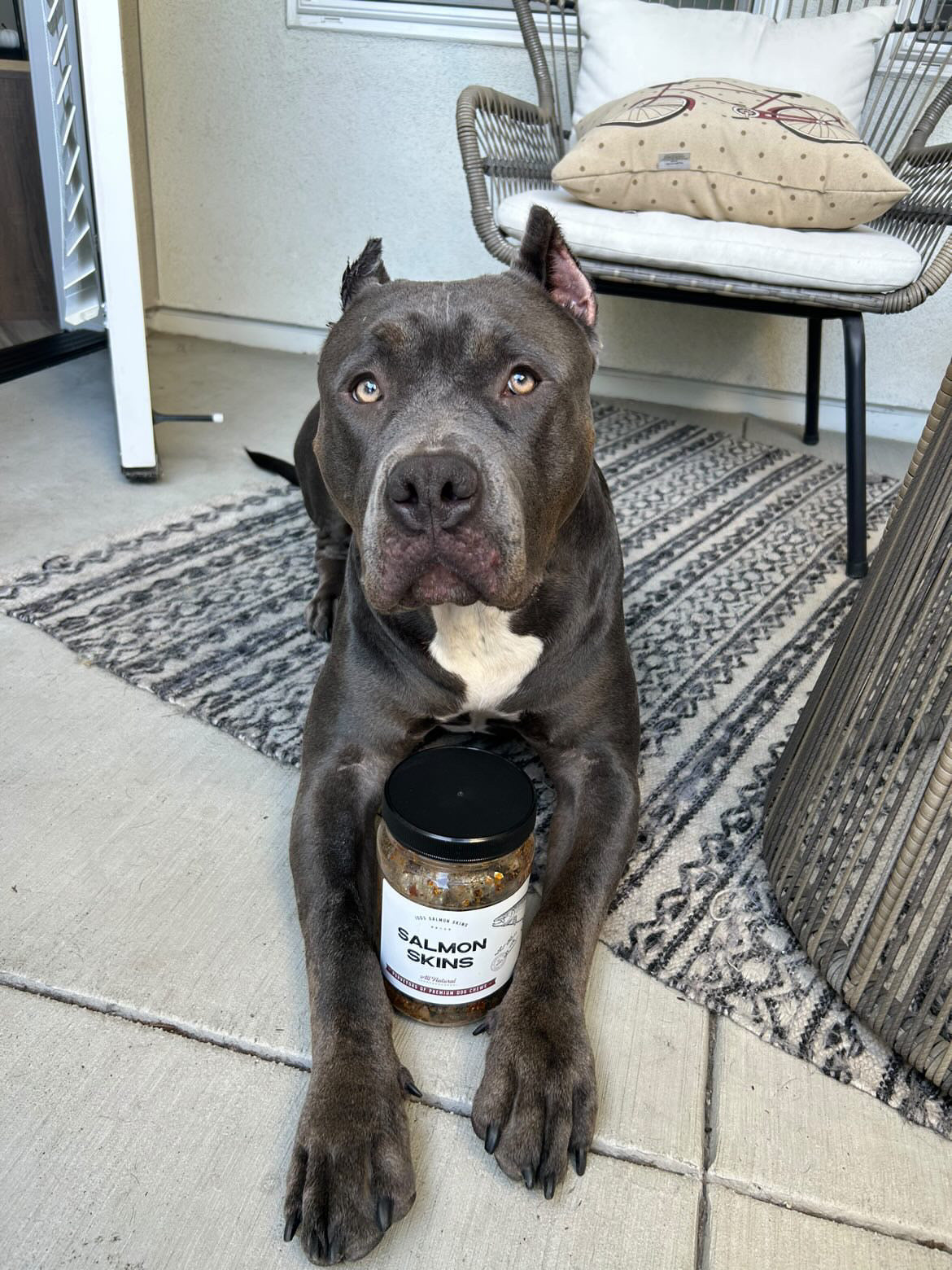
Look for short, transparent labels with named meats first and minimal extras—think natural dog treats made from single ingredients or simple pairings. Air‑dried and freeze‑dried methods preserve protein quality without relying on carb-heavy binders or emulsifiers. Examples include single‑ingredient beef liver, salmon skin, or dehydrated sweet potato. Grain free dog treats can be helpful for dogs sensitive to corn or wheat, but “grain‑free” alone isn’t a guarantee of quality—ingredients still matter most.
Brands committed to premium dog nutrition make these choices easier. Jack’s Premium uses USA‑sourced ingredients, sustainably raised meats, and handmade processes in Texas, with no seed oils or added sugars. For a clean, high‑value option, try their single-ingredient liver treats, a freeze‑dried snack that keeps the ingredient list to exactly one: beef liver.
Understanding Artificial Fillers and Their Health Impact
Artificial fillers are low-cost ingredients added to boost volume, alter texture, or intensify flavor without contributing meaningful nutrition. In treats, they often appear as plant concentrates or binders that dilute protein quality and increase empty calories. Common examples include corn gluten meal, wheat middlings, soy protein concentrate, pea fiber, tapioca starch, cellulose, glycerin, and vague additives like “natural flavors” or “vegetable oil.”
These additives can undermine premium dog nutrition by displacing bioavailable animal protein and healthy fats. For sensitive dogs, highly processed fillers and flavor enhancers may correlate with digestive upset, itchiness, or recurring ear issues. Seed oils (soybean, corn, canola, sunflower) can skew the omega-6 to omega-3 balance and are prone to oxidation, which may contribute to systemic inflammation over time. Also remember that “grain free dog treats” are not automatically better—pea starches, potatoes, and tapioca can act as starchy fillers, too.
Red flags to watch for on labels:
- Vague terms: “animal fat,” “meat by-product,” “natural flavors,” “vegetable oil”
- High-glycemic or sweeteners: corn syrup, cane sugar, maltodextrin, sorbitol
- Humectants and softeners used heavily: propylene glycol, excessive glycerin
- Long ingredient lists where protein isn’t first or appears after multiple starches
Look instead for healthy pet food ingredients you recognize: single-source meats, organs, limited produce, and named fats (e.g., salmon oil) with short, transparent labels. Natural dog treats that are air-dried or freeze-dried preserve nutrients without relying on seed oils or sugary binders. Jack’s Premium focuses on dog treats without artificial fillers and dog treats without seed oils, using USA-sourced ingredients and handmade processes in Texas. For example, single-ingredient options like freeze-dried fish are a clean choice; see Jack’s Premium Freeze-dried salmon treats as a simple, species-appropriate snack.
The Problem with Seed Oils in Pet Foods
Seed oils such as soybean, corn, canola, safflower, and sunflower are inexpensive, highly processed fats that show up in many treats as binders, palatants, or spray-on coatings. These oils are rich in polyunsaturated omega-6 fatty acids, which, when out of balance with omega-3s, may contribute to inflammatory skin and coat issues in dogs. High-heat processing and long storage can also accelerate oxidation in these oils, creating off-flavors and degrading delicate nutrients—hardly ideal for premium dog nutrition.
Many mass-market recipes pair seed oils with artificial fillers to improve texture and shelf life. Even “grain free dog treats” can rely on pea starches, glycerin, or syrups alongside vegetable oils, so the claim alone isn’t a guarantee of healthy pet food ingredients. If your goal is dog treats without artificial fillers, you’ll need to read labels with a critical eye.
Watch for these terms that often indicate seed oil content or related processing shortcuts:
- Vegetable oil, soybean oil, corn oil, canola/rapeseed oil, safflower, sunflower, cottonseed
- “Sprayed with fat/oil” or “natural flavor” (often carried in oils)
- Glycerin, syrups (corn, brown rice), dextrins, modified starches used as binders
- Synthetic preservatives with fats (BHA, BHT); prefer mixed tocopherols instead
Better choices emphasize single-ingredient meats, organs, and gentle drying methods. Look for natural dog treats made with animal-based fats (e.g., chicken fat, beef tallow) or omega-3-rich fish oils, and short, transparent ingredient lists—this is how you get dog treats without seed oils and without artificial fillers. Jack’s Premium focuses on USA-sourced ingredients and handmade small batches in Texas, offering air-dried and freeze-dried options that avoid seed oils and added sugars; for a plant-based, stable-fat option, consider their Coconut treats for pets as part of a balanced rotation.

Reading and Interpreting Pet Food Labels
Start with the ingredient list, which is ordered by weight. For natural dog treats, look for named animal proteins first (e.g., beef liver, turkey, salmon) rather than vague terms like “meat by-product” or “animal digest.” Meals (e.g., “chicken meal”) can be acceptable if the species is named and the rest of the panel is clean, but whole cuts and organs are typically the simplest, premium dog nutrition choice.
Scan for artificial fillers and additives that add bulk, sweetness, or shelf life without nutritional value. Common culprits include wheat middlings, corn starch, soy flour, vegetable glycerin, dextrose, cane sugar, and molasses. To choose dog treats without seed oils, avoid canola, soybean, corn, sunflower, grapeseed, and cottonseed oils. Prefer treats preserved naturally with mixed tocopherols (vitamin E) or rosemary extract over BHA, BHT, or ethoxyquin.
Red flags to skip:
- Seed oils (canola, soybean, corn, sunflower, cottonseed, grapeseed)
- Artificial preservatives (BHA, BHT, ethoxyquin) and colors (Red 40, Blue 2, caramel color)
- Added sugars and syrups (dextrose, cane sugar, molasses) or propylene glycol
- Vague proteins (“meat by-product,” “animal digest”) and filler grains/pulps listed first
Green flags to seek:
- Single- or limited-ingredient recipes (e.g., “beef lung,” “chicken hearts”)
- Air-dried or freeze-dried processing that retains healthy pet food ingredients
- Named animal proteins/organs, natural preservatives, and transparent sourcing statements
- Grain free dog treats when managing sensitivities, or grain-inclusive only when whole, identifiable grains appear after meat
Go beyond front-of-bag claims. “Made in the USA with globally sourced ingredients” isn’t the same as USA-sourced ingredients throughout. Cross-check the guaranteed analysis; protein should meaningfully exceed crude fiber and ash in a meat-based treat, and moisture should align with format (lower for air-dried, higher for freeze-dried before rehydration).
If you want dog treats without artificial fillers or seed oils and clear sourcing, Jack’s Premium publishes simple ingredient panels featuring sustainably raised, USA-sourced meats, handmade in Texas with no added sugars. Their air-dried and freeze-dried options, including USA-sourced dog chews, make it easy to read, recognize, and trust what you’re giving your pet.
What to Look for in High-Quality Dog Treats
Start with the ingredient panel. High-quality, natural dog treats list a named animal protein first (beef, turkey, salmon), not vague terms like “meat by-product” or “animal digest.” Short, simple recipes are best—single-ingredient options like beef liver or chicken hearts are easy to understand and ideal for sensitive pups.
If you want dog treats without artificial fillers or seed oils, scan labels for these red flags:
- Artificial preservatives (BHA, BHT, ethoxyquin), colors, or “natural flavor”
- Added sugars and syrups (cane sugar, molasses) or salt-heavy seasonings
- Seed oils such as soybean, canola, corn, or sunflower oil
- Cheap bulking agents (wheat middlings, corn gluten meal, rice bran) and excessive pea starch or pea fiber
- Heavy binders like glycerin listed near the top of the ingredients
Prioritize healthy pet food ingredients that support premium dog nutrition. Look for named muscle meats and organ meats, limited-ingredient recipes, and natural preservatives like mixed tocopherols. Processing methods matter too—air-dried and freeze-dried treats retain aroma and nutrients without needing added oils or sugars.
Be thoughtful about “grain free dog treats.” Grain-free isn’t automatically better if legumes and starches simply replace grains as fillers. Evaluate the overall ingredient quality, protein focus, and whether the carbohydrate sources are minimal and clearly identified rather than used to pad the formula.
Sourcing and transparency round out quality. USA-sourced meats and clear origin statements show accountability, and sustainably raised proteins are a plus. Brands like Jack’s Premium check these boxes with handmade treats from Texas using USA ingredients, sustainably raised meats, and air- or freeze-drying—resulting in dog treats without seed oils or added sugars and no artificial fillers. Examples include single-ingredient beef liver chips or freeze-dried salmon, which deliver simple, species-appropriate nutrition in every bite.
Natural Ingredient Options and Their Benefits
When you’re searching for dog treats without artificial fillers, start with the ingredient panel. Short, recognizable lists anchored by a named animal protein suggest fewer additives and better digestibility. Skip products with vague terms like “meat by-products,” artificial colors, added sugars, or seed oils such as soybean, corn, or sunflower oil.
Look for natural dog treats built from whole foods and single-source proteins. Strong, healthy pet food ingredients include:

- Single-ingredient meats (beef liver, chicken breast, turkey hearts) for clean, high-protein nutrition.
- Fish or fish skins (salmon, whitefish) for natural omega-3s that support skin and coat.
- Organ meats (liver, heart) for iron, B vitamins, and essential amino acids.
- Air-dried chews (beef tendons, bully sticks) to satisfy chewing and help reduce plaque.
- Simple roots and fruits (sweet potato, pumpkin, blueberries) for fiber and antioxidants without added sugars.
- Broth-based or collagen treats for gelatin and amino acids that help maintain joint and gut health.
These options keep ingredient decks minimal while boosting nutrient density. You’ll also avoid unnecessary binders and dog treats without seed oils, relying instead on the food’s naturally occurring fats for flavor and satiety.
If your dog has sensitivities, grain free dog treats made from single proteins and root vegetables can reduce common triggers. For dogs who tolerate grains, limited amounts of whole grains may be perfectly appropriate; quality and processing matter more than a single ingredient. When in doubt, discuss your dog’s specific needs with your veterinarian.
Processing influences nutrition, too. Air-dried and freeze-dried methods preserve proteins and delicate fats without resorting to artificial preservatives, aligning with premium dog nutrition standards. Jack’s Premium exemplifies this approach with USA-sourced, sustainably raised meats, handmade in Texas, and no seed oils or added sugars—offering air-dried salmon skins, freeze-dried beef liver, and other natural choices, with free shipping on orders over $55.
Sourcing and Manufacturing Standards to Consider
When evaluating dog treats without artificial fillers, start with traceability. Look for brands that name the country of origin for every ingredient—not just “Made in USA,” but “sourced and made in USA.” Transparent sourcing helps you avoid low-quality inputs like imported glycerin, pea protein concentrates, or flavor enhancers used to stretch meat content.
Prioritize simple, species-appropriate recipes built around whole-muscle meats and organ meats. Avoid vague terms like “meat by-product,” “animal digest,” or “natural flavors,” which can mask inferior inputs. Choose dog treats without seed oils such as soybean, canola, corn, sunflower, safflower, or grapeseed; named animal fats or salmon oil are clearer, minimally processed fat sources. For preservation, mixed tocopherols (vitamin E) and rosemary extract are preferable to BHA, BHT, or ethoxyquin, and there’s no need for added sugars or syrups in natural dog treats.
Processing methods matter for nutrient retention and digestibility. Air-dried and freeze-dried techniques avoid the repeated high heat used in extrusion, helping preserve amino acids and delicate fats. They also reduce the need for humectants and smoke flavor sprays often added to soft, shelf-stable chews. If you prefer grain free dog treats, confirm they’re not simply swapping grains for starchy fillers like pea starch or potato flour.
Use this quick checklist when reading labels and brand pages:
- Named, single-source proteins (e.g., beef heart, turkey liver) over generic meals
- “Sourced and manufactured in the USA” with batch/lot codes for traceability
- No seed oils; fats limited to named animal fats or salmon oil
- No added sugars, glycerin syrups, artificial colors, or flavor enhancers
- Natural preservatives (mixed tocopherols) instead of BHA/BHT/ethoxyquin
- Air-dried or freeze-dried processing and small-batch or HACCP-managed facilities
Brands that publish clear sourcing and small-batch manufacturing details make it easier to choose healthy pet food ingredients. Jack’s Premium is a strong example: USA-sourced meats, handmade in Texas, no seed oils or added sugars, and air-dried and freeze-dried options that align with premium dog nutrition standards.
Common Misleading Marketing Claims in the Pet Industry
Pet treat packaging is full of buzzwords that sound healthy but don’t guarantee quality. “Made in USA” can refer to manufacturing while key ingredients are imported. “Grain free dog treats” may simply swap corn or wheat for cheap starches like pea starch, tapioca, or potato flour. Even “made with real meat” can mean just a small percentage of meat surrounded by binders and flavorings.
Watch for these common claims and what they can hide:
- All-natural: May still include vague “natural flavor,” smoke flavor, caramel color, or heavy use of vegetable glycerin as a humectant.
- No added sugar: Sweetness can come from molasses, honey, dextrose, or fruit concentrates.
- High-protein: Protein sometimes comes from pea or potato protein isolates rather than animal sources.
- With real beef/chicken: The “with” rule can mean as little as 3% of the named meat by weight.
- Omega-rich: Often achieved with canola, soybean, or sunflower oil; choose dog treats without seed oils if you’re avoiding those fats.
- USA made: Ingredients may still be globally sourced; look for brands that state USA-sourced ingredients.
To cut through the noise, read the ingredient deck, not just the front label. Prioritize short lists where the first ingredients are named animal parts (e.g., beef heart, turkey, salmon) rather than vague terms like “meat by-products.” For natural dog treats, avoid unnecessary humectants (vegetable glycerin, propylene glycol), artificial colors, and ambiguous “animal digest.” Air-dried and freeze-dried methods help preserve healthy pet food ingredients without syrups or heavy starches.
If you’re seeking dog treats without artificial fillers or dog treats without seed oils, look for transparent sourcing and minimally processed recipes. Jack’s Premium is a practical example: USA-sourced ingredients, handmade in Texas, no seed oils or added sugars, and sustainably raised meats in air-dried and freeze-dried options—an easy fit for premium dog nutrition. As a bonus for regular shoppers, orders over $55 ship free.
Transition to All-Natural and Handmade Alternatives
Shifting to dog treats without artificial fillers starts with a simple pantry audit. Pull the labels and circle anything you can’t define quickly—then replace those items with natural dog treats made from recognizable, single-source ingredients. Prioritize short ingredient decks that list the protein first and avoid added sugars, dyes, and synthetic preservatives.

When reading labels, use this quick filter:
- Look for: single-ingredient meats or fish, organ meats, sweet potato, pumpkin, eggs, and chews like tendon or tripe—these reflect healthy pet food ingredients.
- Avoid: propylene glycol, artificial colors (e.g., Red 40), BHA/BHT, carrageenan, excess glycerin, and flavor “digests.”
- Choose dog treats without seed oils: skip soybean, canola, sunflower, corn, grapeseed, and rice bran oils; natural animal fats from the primary protein are preferable.
- For sensitivities, consider grain free dog treats that rely on meat-only or root-vegetable bases rather than wheat or corn fillers.
Make practical swaps your dog will accept. Replace soft, oil-coated biscuits with air-dried jerky made from a single protein, or trade starchy bites for freeze-dried meats that can be crumbled over meals. Air-dried options offer a chewy texture and minimal processing, while freeze-dried pieces are lightweight, shelf-stable, and can be rehydrated for dogs that prefer softer textures.
Transition gradually to protect digestion. Introduce a few small pieces at first, keeping treats within 10% of daily calories, and watch stool quality and skin for any changes. If your dog tolerates the new treat well for several days, you can expand variety across proteins and textures to round out premium dog nutrition without synthetic additives.
If you want a vetted starting point, Jack’s Premium offers natural dog treats handmade in Texas with USA-sourced ingredients, sustainably raised meats, and no seed oils or added sugars. Their air-dried and freeze-dried selections simplify the switch to dog treats without artificial fillers, and orders over $55 ship free, making it easier to restock responsibly.
Budget-Friendly Tips for Choosing Premium Treats
Premium doesn’t have to mean pricey if you focus on nutrient density over marketing. Dog treats without artificial fillers and dog treats without seed oils deliver more value per bite, so you can use fewer pieces and still reward well. Prioritize natural dog treats made from single proteins like beef liver, salmon skins, or chicken hearts, and choose grain free dog treats when you need to avoid cheap starches.
- Read labels carefully. The first 1–3 ingredients should be named meats (e.g., beef, turkey liver). Skip vague by-products, artificial colors, sugar syrups, glycerin-heavy formulas, and seed oils such as canola, soybean, or sunflower.
- Choose single-ingredient or short-ingredient lists. Freeze-dried beef liver or air-dried turkey hearts are rich in protein and micronutrients, supporting premium dog nutrition. Break pieces into training-size bits to stretch your bag.
- Compare price per ounce and per calorie. Air-dried and freeze-dried treats are more calorie-dense than biscuits, so a smaller bag can last longer in practice.
- Buy larger bags or bundles and store them well. Use airtight containers, keep them cool and dry, and reseal promptly to prevent waste and preserve texture.
- Pick multipurpose treats that double as meal toppers. Crumble freeze-dried meat over kibble to boost healthy pet food ingredients without buying separate toppers.
- Favor USA-sourced, sustainably raised meats for consistent quality while avoiding costly vet issues tied to inferior sourcing.
- Use autoship and shipping thresholds. Jack’s Premium offers USA-sourced ingredients, handmade in Texas with no seed oils or added sugars, plus air-dried and freeze-dried options—and free shipping on orders over $55 can lower your per-bag cost.
When in doubt, compare two ingredient panels: “beef, beef liver, mixed tocopherols (preservative)” versus “wheat flour, corn syrup, vegetable glycerin, artificial smoke flavor, canola oil, Red 40.” The first delivers concentrated nutrition; the second relies on fillers and additives that add bulk without value. Choosing the former, then breaking pieces small and storing them properly, keeps premium treats budget-friendly.
Conclusion: Making the Best Choice for Your Pet's Health
Choosing dog treats without artificial fillers comes down to reading labels, understanding processing methods, and favoring transparent sourcing. Look for short ingredient lists you recognize and avoid vague terms like “meat by-product,” “natural flavors,” or “animal digest.” When possible, prioritize minimally processed options that preserve nutrients and support premium dog nutrition.
A quick checklist for evaluating treats:
- 5–8 ingredients or fewer, featuring named meats/organs first (e.g., beef liver, turkey heart)
- No seed oils (canola, soybean, corn) and no added sugars or syrups
- No artificial preservatives (BHA, BHT, ethoxyquin), colors, or flavor enhancers
- Limited fillers like wheat, corn gluten, rice bran, or excessive starches
- Air-dried or freeze-dried processing over extruded or heavily baked formats
- Clear sourcing, ideally USA-raised proteins and traceable supply chains
Marketing claims like “natural dog treats” or “grain free dog treats” can be helpful cues, but the ingredient panel is what matters. For healthy pet food ingredients, choose single- or limited-ingredient recipes that combine muscle meat, organs, and simple produce such as pumpkin or blueberry. If oils are present, look for species-appropriate fats (e.g., beef tallow) or named fish oils rather than seed oils. Introduce any new treat gradually and keep portions small, especially for dogs with sensitivities.
If you want an example of this approach, Jack’s Premium offers USA-sourced, handmade-in-Texas treats crafted without seed oils or added sugars, using sustainably raised meats and gentle air-dried or freeze-dried methods. Their single-ingredient and limited-ingredient options make it easy to align with a clean-label standard while supporting premium dog nutrition. For multi-pet households or bulk buyers, free shipping on orders over $55 can make it simpler to keep a consistent, high-quality supply on hand.
With a little label literacy and a focus on whole-food, minimally processed ingredients, you can confidently choose treats that match your dog’s needs and your standards.
Reach out to us today; if you may have an interest to discuss further.