

Introduction: Why Pet Owners Are Switching to Air-Dried Dog Food
Health-conscious pet parents are rethinking daily meals after learning more about air-dried dog food benefits. Unlike ultra-processed diets, air-dried recipes use gentle dehydration to lock in nutrients and flavor without harsh cooking. The result is a shelf-stable, whole-food option that’s closer to raw nutrition but easier to store, serve, and digest for most dogs.
Here’s the air-dried vs kibble comparison most owners notice. Extruded kibble is exposed to high heat multiple times, which can degrade heat-sensitive amino acids and fats and often requires a long list of synthetic additives to replace lost nutrients. Air-drying uses lower temperatures over longer periods, helping preserve protein integrity, natural vitamins, and fatty acids for better bioavailability. Because these recipes are typically meat-forward and lower in fillers, you’ll usually feed smaller portions while still meeting energy needs—and many dogs show improved appetite, stool quality, and coat condition.
Key advantages that make air-dried a standout among healthy pet food alternatives:
- Nutrient retention: minimal processing helps preserve natural vitamins, minerals, and omega fats.
- High palatability: meaty aroma and texture appeal to picky eaters and seniors.
- Ingredient transparency: limited, recognizable components support dogs with sensitivities.
- Versatility: serve as a complete meal or as a high-value topper to upgrade kibble.
- Practicality: shelf-stable like kibble without the heavy reliance on binders and starches.
For natural dog food options made in the USA, Jack’s Premium crafts air-dried recipes with sustainably raised meats, no seed oils or added sugars, and handmade quality from Texas. Their lineup includes complete meals like the Beef air-dried dog food and complementary freeze-dried dog treats for training or enrichment. It’s a straightforward way to move toward premium dog nutrition without the complexity of raw.
Criterion 1: Superior Digestibility and Nutrient Absorption
For many dogs, better digestion starts with food that’s minimally processed and rich in bioavailable nutrients. One of the core air-dried dog food benefits is that gentle, low-temperature drying helps protect heat-sensitive amino acids, fatty acids, and certain vitamins that can be diminished during high-heat extrusion. With more intact nutrients reaching the small intestine, the body has an easier time breaking down and absorbing what it needs.
In an air-dried vs kibble comparison, the difference often comes down to processing and formulation. Kibble typically requires high heat and starchy binders, which can lower protein quality and dilute nutrient density. Air-dried foods rely on meat and organs rather than heavy carbohydrate fillers, a shift many owners notice as smaller, firmer stools and less gas.
Ingredient quality matters just as much as the method. High-meat, organ-inclusive recipes naturally deliver heme iron, B vitamins, zinc, taurine, and collagen in highly absorbable forms—key drivers of premium dog nutrition. Choosing natural dog food options without seed oils or added sugars can also reduce the risk of oxidation and unwanted gut upset. Freeze-dried dog treats can complement an air-dried diet by offering concentrated protein rewards that are gentle on sensitive stomachs.
Practical markers of superior digestibility and absorption include:
- Consistently well-formed stools with lower volume
- A healthy appetite and steady energy without post-meal lethargy
- Minimal gas or burping, and improved coat condition over time
- Appropriate portion control, since air-dried foods are calorie-dense
Jack’s Premium focuses on digestibility by starting with USA-sourced, sustainably raised meats and gently air-drying recipes handmade in Texas—no seed oils or added sugars. If you’re exploring healthy pet food alternatives, their Chicken air-dried dog food is a straightforward, single-protein option that’s easy to transition to over 5–7 days. For best absorption, measure carefully, provide fresh water, and adjust portions based on your dog’s stool quality and body condition.
Criterion 2: Elimination of Artificial Additives and Preservatives
One of the clearest air-dried dog food benefits is the ability to skip harsh synthetic preservatives without sacrificing shelf stability. Gentle dehydration lowers water activity, so formulas don’t rely on chemical additives to stay fresh. In an air-dried vs kibble comparison, extruded kibble often needs flavor sprays and stabilizers to remain palatable over long distribution cycles, whereas air-dried recipes typically use shorter, simpler ingredient lists.
Look for brands that keep oxidation under control with process and packaging, then lean on natural antioxidants like mixed tocopherols (vitamin E) or rosemary extract when needed. This approach aligns with natural dog food options and helps sensitive dogs avoid unnecessary dyes, artificial flavors, and sweetness enhancers. It’s a practical path toward premium dog nutrition without adding dietary noise.
Red flags to avoid on labels:
- BHA, BHT, or ethoxyquin (synthetic preservatives sometimes tied to rendered meals)
- Propylene glycol (humectant/flavor carrier)
- Artificial colors (e.g., Red 40, Yellow 5) and “artificial flavor”
- Added sugars (dextrose, corn syrup, caramel)
- Undefined fats or “animal digest” flavor coatings
Clean-label cues that signal healthy pet food alternatives:
- Short ingredient decks with named meats and organ meats
- Natural antioxidants (mixed tocopherols), not chemical preservatives
- No seed oils or added sugars
- Single- or limited-source proteins for easier decoding
- Transparent sourcing and processing details
Jack’s Premium meets these criteria by using USA-sourced ingredients, sustainably raised meats, and handcrafted methods in Texas, with no seed oils or added sugars. Their air-dried and freeze-dried dog treats maintain freshness through low-moisture processing rather than synthetic additives, ideal for dogs with food sensitivities. Explore the Air-dried dog food collection to compare formulas side by side, and note that orders over $55 ship free.
Criterion 3: Higher Protein Content and Quality Ingredients
Protein density is one of the clearest air-dried dog food benefits. Because these recipes are built around meat with minimal fillers and gently dried rather than extruded, many land in the 35–50% protein range as-fed, while typical kibbles often sit around 22–30% (brand dependent). In an air-dried vs kibble comparison, the higher meat inclusion can better support lean muscle, satiety, and healthy weight management, especially for active dogs.

Quality matters as much as quantity. Look for named animal proteins (beef, turkey, salmon) and nutrient-rich organs (liver, heart) that supply bioavailable amino acids like lysine and methionine. Gentle air-drying at lower temperatures than extrusion helps preserve amino acids and fatty acids, delivering premium dog nutrition without relying on heavy starches or synthetic fortification to fill gaps.
Use this quick label check to gauge protein quality:
- Animal proteins and organs in the first several ingredients (not vague “meat by-product”).
- Clear protein minimum suited to your dog’s life stage, with carbs kept reasonable for a meat-first diet.
- Limited binders and no artificial preservatives; avoid added sugars and unnecessary glycerin.
- Sourcing transparency (country of origin) and sustainability practices where available.
These cues point to natural dog food options that deliver complete, highly digestible protein rather than just hitting a percentage on paper.
Jack’s Premium aligns with these standards by prioritizing USA-sourced muscle meats and organs, handmade in Texas with no seed oils or added sugars. Their air-dried recipes emphasize sustainably raised meats for concentrated nutrition, and their freeze-dried dog treats make high-protein, single-ingredient rewards that won’t dilute the diet. For a broader framework on balancing protein, fats, and carbs while comparing healthy pet food alternatives, see What to feed your dog.
Criterion 4: Reduced Processing and Heat Damage
Air-dried recipes use gentle, low-temperature dehydration to remove moisture without the aggressive heat and pressure used in extrusion. In a typical air-dried process, meats and organs are dried slowly, so fewer nutrients are denatured and flavors remain concentrated. By contrast, kibble is cooked multiple times—rendering, extrusion at roughly 120–160°C, and oven drying—where each high-heat step can degrade heat-sensitive compounds and drive oxidation.
This difference matters for nutrient integrity and digestibility. High heat can reduce the activity of natural enzymes, diminish certain vitamins (like A, E, and some B vitamins), oxidize delicate fats, and trigger Maillard reactions that lower lysine availability and create advanced glycation end-products associated with browning. With gentler drying, more of the food’s native nutrition is retained, so formulas can rely less on heavy fortification and artificial palatants.
- Heat-sensitive vitamins: better retention of vitamin E and select B vitamins compared with extruded diets
- Fats: less oxidation of omega-3s from fish and pastured meats, supporting flavor and fatty acid integrity
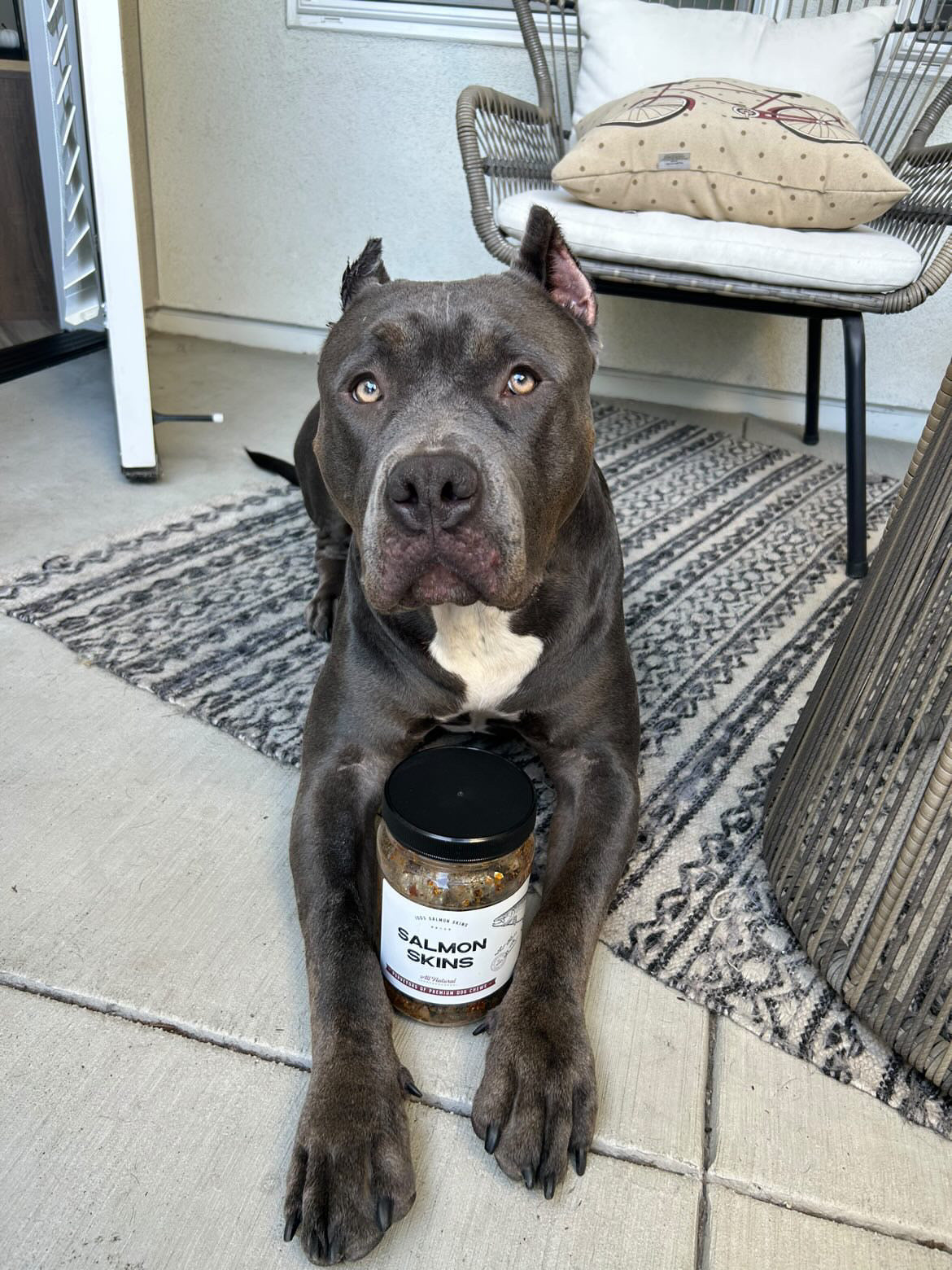
- To complement your air dried dog food regimen, consider adding salmon skins as a natural treat—they're rich in omega-3 fatty acids that support skin health, coat shine, and joint comfort, making them an excellent pairing with nutrient-dense air-dried meals.
- Proteins: fewer structural changes and improved lysine availability versus high-heat processing
- Natural co-factors: collagen, gelatin, and organ-derived micronutrients remain more intact
In an air-dried vs kibble comparison, air-dried foods also typically require fewer starchy binders because they’re not forced through an extruder, aligning with natural dog food options that emphasize meat and organs. Freeze-dried diets use cold dehydration and can preserve delicate nutrients even further, but they come with a different texture, rehydration step, and often a higher price point. Air-dried strikes a practical balance: shelf-stable, nutrient-dense, and minimally processed for premium dog nutrition.
For healthy pet food alternatives that minimize processing and heat damage, look for USA-sourced meats and simple ingredient panels. Jack’s Premium handcrafts air-dried and freeze-dried options in Texas using sustainably raised meats, with no seed oils or added sugars, helping preserve the food’s native nutrients and flavor. Their air-dried meals and freeze-dried dog treats offer convenient, high-quality choices for health-conscious pet parents, with free shipping on orders over $55.
Criterion 5: Long-Term Health and Vitality Benefits
Choosing a format that supports sustained wellness means looking beyond convenience to nutrient integrity. Key air-dried dog food benefits stem from gentle dehydration that helps preserve amino acids, essential fatty acids, and heat‑sensitive vitamins that can degrade during high-heat processing. In an air-dried vs kibble comparison, extruded kibble typically relies on higher starch levels and extreme temperatures to bind and puff the pellet, which can reduce the bioavailability of some nutrients and increase Maillard reaction byproducts. Over time, diets with higher meat inclusion and fewer fillers better align with premium dog nutrition goals like lean muscle maintenance and stable energy.
Digestive health is central to long-term vitality. Air-dried, meat‑forward recipes tend to be highly digestible, which can translate to smaller, firmer stools and improved nutrient absorption. Lower carbohydrate loads may support steadier post‑meal blood sugar and healthier body composition, while naturally occurring omega‑3s from fish or grass‑fed meats can help maintain skin, coat, and joint comfort. Gentle drying methods also limit harsh thermal inputs compared to extrusion, a factor researchers associate with fewer heat‑derived compounds.
Over months of consistent feeding, pet parents commonly notice:
- Easier weight management and defined muscle tone
- Consistent stools and reduced gas
- Softer, shinier coat and healthy skin
- Sustained energy without spikes or crashes
- Comfortable mobility in active and senior dogs
For natural dog food options that fit these priorities, Jack’s Premium offers air-dried recipes and complementary freeze-dried dog treats made with USA‑sourced ingredients and sustainably raised meats. Handmade in Texas with no seed oils or added sugars, the formulas focus on whole‑food animal proteins to deliver healthy pet food alternatives without unnecessary fillers. Orders over $55 ship free, making it practical to transition gradually and evaluate what delivers the best long‑term results for your dog.
As with any dietary change, introduce new foods over 7–10 days and monitor body condition, stool quality, and activity level. Your veterinarian can help tailor portion sizes and supplements to your dog’s life stage and health history.
Air-Dried vs. Kibble: Nutritional Comparison Summary
Air-dried diets are gently dehydrated at low temperatures to remove moisture while preserving proteins, fats, and naturally occurring micronutrients. By contrast, kibble is extruded under high heat and pressure, which can reduce heat-sensitive vitamins and oxidize delicate omega fats if not protected with antioxidants. Air-dried formulas typically rely less on starches, while kibble needs carbohydrate binders to hold shape—one of the key air-dried dog food benefits for pets that do better on lower-glycemic meals.
When comparing air dried dog food to other formats, many pet parents appreciate the balance between raw-like nutrition and the convenience of a shelf-stable product.
From a macronutrient standpoint, many air-dried recipes deliver higher animal protein and fewer fillers, aligning with premium dog nutrition goals. Dogs prone to digestive upset or food sensitivities may benefit from the simpler ingredient lists and minimally processed meats common in air-dried foods. Palatability is often excellent because the drying process concentrates aroma and flavor without added sugars or artificial enhancers.
Key air-dried vs kibble comparison points:
- Processing: low-temperature drying vs high-heat extrusion; air-dried often retains more natural nutrients.
- Carbs and binders: air-dried usually lower in starch; kibble depends on grains or legumes to bind.
- Calorie density: air-dried is more energy-dense; feed smaller portions and monitor weight.
- Moisture: air-dried ~10–15% vs kibble ~6–10%; consider extra water in the bowl for either.
- Additives: quality air-dried options avoid seed oils and added sugars; many kibbles use flavorings or colorants.
- Dental: neither format replaces brushing or professional care.
- Completeness: look for an AAFCO nutritional adequacy statement on both.
If you’re evaluating natural dog food options as healthy pet food alternatives, consider a gradual transition and weigh your dog’s activity level against the higher calorie density of air-dried meals. Jack’s Premium offers handmade-in-Texas air-dried recipes using sustainably raised, USA-sourced meats with no seed oils or added sugars—plus freeze-dried dog treats for training or enrichment. For health-conscious pet parents seeking balanced convenience and nutrient retention, this strikes a thoughtful middle ground between raw and traditional kibble, with free shipping on orders over $55.
How to Select the Best Air-Dried Dog Food for Your Pet
Start by reading the label like a nutritionist. The clearest air-dried dog food benefits come from short, recognizable ingredient lists and gentle processing that preserves amino acids and fats. In an air-dried vs kibble comparison, air-dried foods are typically made without high-heat extrusion, so they rely less on starchy binders and often deliver more meat per bite.
Prioritize recipes that list named muscle meats and organs first, such as beef, beef heart, and chicken liver, rather than vague “meat meal.” Look for modest, functional carbohydrates (pumpkin, sweet potato) instead of fillers like corn, wheat, or pea protein isolates. Avoid seed oils, added sugars, artificial preservatives, and excess glycerin—quality air-dried formulas don’t need them.
Use this quick checklist to evaluate natural dog food options:
- Complete & Balanced per AAFCO for your dog’s life stage, not just a “topper.”
- Transparent sourcing and processing, ideally USA made with sustainably raised meats.
- Single-protein or limited-ingredient recipes for sensitive skin or stomachs.
- Clear calorie density and feeding guide; air-dried is concentrated, so portions are smaller.
- Thoughtful micronutrient support from organ meats with minimal unnecessary additives.
Match the formula to your dog’s lifestyle. Active dogs may thrive on higher protein and fat, while weight-prone pets may do better with leaner meats and careful portions. If you’re transitioning from kibble, move slowly over 7–10 days and consider using air-dried as a topper to boost premium dog nutrition before switching fully. For training or enrichment, freeze-dried dog treats pair well without overloading calories.
Jack’s Premium is a practical benchmark when comparing healthy pet food alternatives. Their air-dried and freeze-dried lines are handmade in Texas with USA-sourced ingredients and sustainably raised meats, and they use no seed oils or added sugars. If you value clear sourcing and clean labels in your natural dog food options, they’re worth a look, with free shipping on orders over $55.
Transition Guide: Switching Your Dog from Kibble to Air-Dried
Switching from kibble is best done gradually so your dog’s digestive system can adjust to the higher protein and fat density typical of air-dried dog food. One of the key air-dried dog food benefits is nutrient preservation with minimal processing, but that also means it’s more calorie-dense—so transition by calories, not by scoops. As a quick air-dried vs kibble comparison, many kibbles sit around 350–400 kcal per cup, while air-dried foods often land between 450–550 kcal per cup; always check the feeding guide for your specific recipe.
Use a 7–10 day schedule (extend to 14 days for sensitive stomachs), mixing meals to taper kibble down and air-dried up:
- Days 1–2: 75% kibble, 25% air-dried
- Days 3–4: 50% kibble, 50% air-dried
- Days 5–6: 25% kibble, 75% air-dried
- Days 7+: 100% air-dried
Support hydration to ease digestion. Offer fresh water at all times and consider adding a splash of warm water or low-sodium bone broth to meals, especially if your dog is used to the moisture in canned food. To boost acceptance, crumble a few pieces of freeze-dried dog treats on top or mix in a spoonful of plain pumpkin (1 tsp per 10 lb body weight).
Track your dog’s response daily. Normal signs include slightly softer stools for a day or two; persistent diarrhea, gas, or lethargy means slow the pace or reduce portion size. For dogs with food sensitivities, start with single-protein natural dog food options like turkey or beef, and consider a canine-specific probiotic during the first two weeks to support premium dog nutrition.
Store air-dried food in a cool, dry place, reseal the bag after each use, and avoid pre-mixing large batches to maintain freshness. For healthy pet food alternatives made in the USA, Jack’s Premium offers air-dried recipes and single-ingredient freeze-dried treats that are handmade in Texas with sustainably raised meats, no seed oils, and no added sugars. Many pet parents start with a single-protein air-dried recipe and use Jack’s Premium freeze-dried treats as a topper to smooth the transition, with free shipping available on orders over $55.
Cost-Benefit Analysis: Investment in Long-Term Pet Health
Air-dried dog food benefits extend beyond nutrition labels to the bottom line. While the sticker price is higher than most kibble, the math shifts when you factor in caloric density and digestibility. A 30 lb moderately active dog needs roughly 900 kcal/day; with an air-dried formula averaging about 480 kcal per cup, that’s around 1.9 cups daily. In an air-dried vs kibble comparison, a typical kibble at 370 kcal per cup might require closer to 2.4 cups, so you feed less with air-dried and see smaller, firmer stools—an indicator of usable nutrition and less waste.

Hidden costs add up with lower-cost diets. Many owners boost kibble with toppers, wet food, or palatability enhancers, nudging the real daily cost upward. Air-dried recipes, built around meat and organ content, often reduce the need for add-ons, and pairing meals with freeze-dried dog treats creates high-value rewards without resorting to sugary biscuits.
Consider the long-term health economics. Consistent, nutrient-dense meals can support ideal body condition, steady energy, and regular digestion—factors associated with fewer unplanned diet-related vet visits. Even one gastrointestinal flare-up can run $300–$800; while no food eliminates risk, feeding fewer fillers and more bioavailable protein is a practical hedge for many health-conscious pet parents seeking healthy pet food alternatives.
Where do the savings show up over time?
- Lower feeding volume per day due to higher calorie density
- Fewer toppers and “fixes” to improve palatability
- Less spoilage and better portability compared with raw
- Smaller stool volume and fewer yard-bag refills
For natural dog food options that prioritize premium dog nutrition, Jack’s Premium offers air-dried and freeze-dried recipes and treats made from USA-sourced ingredients and sustainably raised meats. Handmade in Texas with no seed oils or added sugars, these formulas are designed to be nutrient-dense and convenient, and free shipping on orders over $55 helps keep recurring costs predictable. For many families, that balance of nutrition, practicality, and long-term value makes air-dried a sound investment in pet health.
Buyer's Recommendations and Selection Tips
Start by clarifying your goals, then match them to the key air-dried dog food benefits: gentler processing than extruded kibble, typically higher animal protein, and fewer starchy fillers. In an air-dried vs kibble comparison, expect more nutrient density per bite and stronger palatability, which can help picky eaters. Because air-dried is calorie-dense, plan portions by calories, not volume, and transition gradually over 5–7 days.
Use this quick label and sourcing checklist when comparing natural dog food options:
- Named animal proteins first (e.g., beef, turkey, lamb), plus beneficial organ meats; avoid vague “meat meal.”
- Low-starch carbohydrates (pumpkin, squash) and functional add-ins (mussels, kelp), with no seed oils or added sugars.
- An AAFCO nutritional adequacy statement if feeding as a complete meal; single-ingredient options are ideal as mixers or toppers.
- Transparent sourcing and manufacturing; USA ingredients and small-batch processing support premium dog nutrition.
- Clear kcal per cup/oz and feeding chart; third-party testing or lot-level quality info is a plus.
Dial in feeding to your dog’s life stage and activity. Start at the low end of the feeding range, monitor body condition weekly, and adjust by 5–10%. If you’re budget-conscious, use air-dried as a 20–30% topper to boost protein and flavor while keeping costs in check—an effective, healthy pet food alternative.
Consider format and storage. Air-dried is shelf-stable and travel-friendly; store in a cool, dry place and reseal to protect aroma and texture. Freeze-dried dog treats make high-value, low-crumb rewards and can double as nutrient-dense meal toppers; single-protein varieties help dogs with sensitivities.
For a brand that aligns with these criteria, Jack’s Premium offers USA-sourced, handmade-in-Texas air-dried and freeze-dried options made from sustainably raised meats with no seed oils or added sugars. Their single-ingredient and limited-ingredient selections fit clean-label preferences, and free shipping kicks in on orders over $55. As always, confirm each product’s feeding directions and whether it’s intended as a complete meal or a topper/treat.
Conclusion: Making the Health-Conscious Choice for Your Dog
Choosing air-dried over highly processed diets is a practical way to prioritize whole-food nutrition without sacrificing convenience. The biggest air-dried dog food benefits include higher nutrient retention from gentle dehydration, fewer starchy fillers, and typically better digestibility than extruded formulas. In an air-dried vs kibble comparison, kibble relies on high heat and added starch to bind the dough, while quality air-dried recipes can preserve more natural proteins and fats with shorter ingredient lists.
To make a confident selection among natural dog food options, focus on a few non-negotiables and read labels closely. A consistent framework helps you spot premium dog nutrition and avoid clever marketing.
- Sourcing: Clear, USA-sourced meats and organs from reputable suppliers, ideally with humane or sustainably raised claims you can verify.
- Processing: Air-dried or freeze-dried methods that avoid high-heat extrusion; no seed oils or added sugars.
- Ingredients: Animal proteins first, minimal binders, no artificial flavors, colors, or preservatives.
- Nutrition: AAFCO-compliant for your dog’s life stage, with transparent protein, fat, and carbohydrate targets that fit your dog’s needs.
- Safety: Batch traceability, small-batch or artisan production, and accessible customer support.
Plan a gradual transition over 7–10 days, increasing the new food as you decrease the old to minimize digestive upset. If you’re not ready to switch entirely, use air-dried as a high-value topper to boost protein and aroma. For training or sensitive stomachs, single-ingredient freeze-dried dog treats can deliver focus and nutrition without unnecessary fillers—an easy win among healthy pet food alternatives.
For a brand that aligns with these standards, Jack’s Premium offers air-dried and freeze-dried options made by hand in Texas with USA-sourced ingredients and sustainably raised meats. Recipes are crafted without seed oils or added sugars, reflecting a cleaner approach to premium dog nutrition. Free shipping on orders over $55 makes trialing a recipe or pairing it with single-ingredient treats straightforward. As always, match any new plan to your dog’s age, activity level, and veterinary guidance for the best long-term outcome.
Reach out to us today; if you may have an interest to discuss further.